
November can feel like the end of the gardening year, but if you’re wondering what to plant in November in the UK, the answer is more than you’d think. The soil is still warmer than the air, rain has usually done the watering for you, and this is the month for tulips, garlic, hardy broad beans and bare-root roses. Most of it fits happily in a pot, a raised bed or a corner of a small patio.
Half an hour on a dry afternoon now gives you tulips in April, garlic in July and a rose that’s settled in by spring. Here’s what I plant this month in a small garden, and what’s better left until spring. If you’re new to looking after plants in containers, my guide to low-maintenance plants for small UK gardens and patios is the place to start, and it links to everything else in our Plants & Plant Care section.
This post contains affiliate links. If you buy through them, Plantrella may earn a small commission at no extra cost to you. Prices change often, so check the latest price before you buy.

Is November too late to plant?
For most hardy plants, no. November is fine as long as the ground isn’t frozen or waterlogged. A simple test: pick up a handful of soil and squeeze it. If it crumbles when you open your hand, you can plant. If it oozes or stays as a sticky lump, wait a few days, or plant into a pot of fresh compost instead.
What November is too late for is anything tender. Leave dahlias, summer bedding, tomatoes and most seeds of annual flowers until spring. And while daffodils and crocuses would have preferred to go in during September or October, they’ll still flower if you plant them now. They may just bloom a little later in their first year.
What to plant in November (UK) at a glance
| What to plant | Pot or bed? | When you’ll see results |
|---|---|---|
| Tulip bulbs | Both. A 30cm pot holds a good handful | April to May |
| Late daffodils, crocus and alliums | Both, plant as soon as you can | March to June |
| Garlic cloves | Both. Pots at least 25cm deep | Harvest June to July |
| Broad beans (hardy autumn varieties) | Beds, or deep pots in a sheltered spot | Pods in May to June |
| Hardy round-seeded peas | Beds or large troughs, milder areas | Pods in May |
| Sweet peas | Deep pots or root trainers under cover | Flowers from June |
| Bare-root roses, hedging and fruit trees | Ground, or a large pot for dwarf fruit trees | Leaves in spring, fruit in a year or two |
| Winter bedding (pansies, violas, cyclamen) | Pots, window boxes and hanging baskets | Straight away, on and off until spring |
Bulbs to plant in November
Tulips
November really is tulip month. Planting them once the weather turns cold helps them avoid tulip fire, a fungal disease that spreads more easily in mild, damp soil. Plant them about three times as deep as the bulb is tall, pointy end up, and if you’re using pots, layering them with other bulbs gives you a long run of flowers from one container. I’ve written a full step-by-step on how to plant tulips in pots and make a bulb lasagne, including which varieties come back year after year.
Late daffodils, crocus and alliums
If you spot bags of daffodils, crocuses or alliums reduced at the garden centre, they’re often still worth having. Squeeze each bulb: if it’s firm, with no soft or mouldy patches, plant it this week. Don’t hang on to them until December, as bulbs dry out the longer they sit in a bag.
For pots and window boxes, dwarf daffodils such as ‘Tête-à-Tête’ are ideal, as they’re short enough not to flop in the wind.
Vegetables to plant in November
This is where November surprises people. A handful of hardy crops go in now and sit quietly through winter, giving you some of the earliest harvests of next year. You don’t need an allotment. A raised bed or a couple of deep pots is plenty, and my post on raised bed ideas for small gardens and patios has ideas if you’re short on space.
Garlic
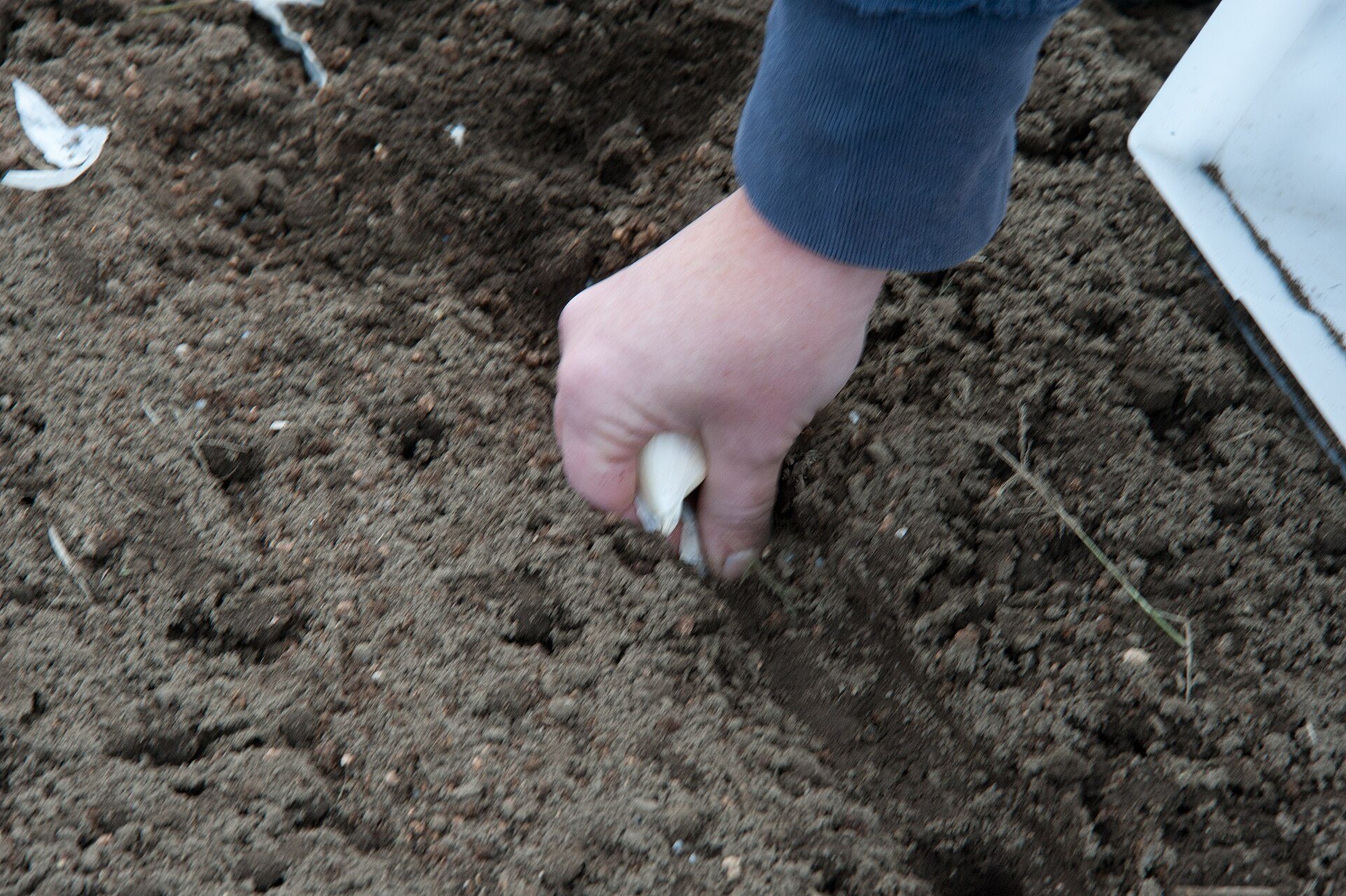
If you only plant one edible thing this month, make it garlic. It’s about the easiest crop there is: you push cloves into the soil, leave them alone, and dig up whole bulbs next summer. Garlic actually needs a spell of cold to form a good bulb, which is why autumn and early winter planting works so well.
Break a bulb into individual cloves and plant them flat end down and pointed tip up, about 15cm apart, with the tip just 2.5cm below the surface. In pots, choose something at least 25cm deep and keep the same spacing. The RHS guide to growing garlic covers this in more detail and is worth bookmarking.
Buy garlic sold for planting rather than supermarket bulbs, which are often varieties bred for warmer climates.
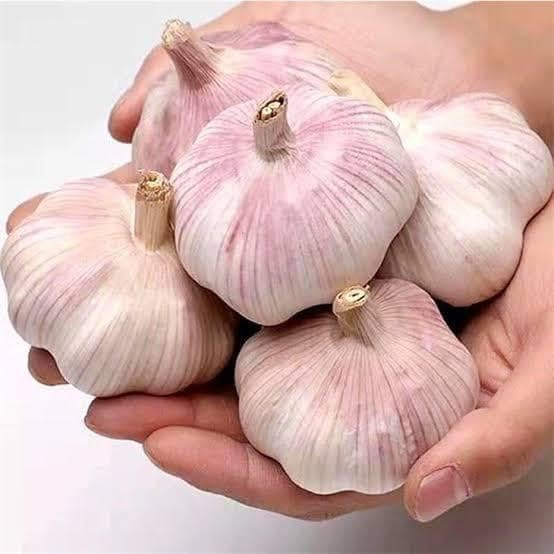
- PREMIUM VARIETY: Purple Wight garlic is a robust hardneck variety known for its intense flavour and large, purple-streak…
- PLANTING QUANTITY: Package includes 50 individual garlic cloves, perfect for small to medium-sized garden plots
- PLANTING SEASONS: Ideal for autumn planting (September-November) or spring planting (February-March) in UK growing condi…
Broad beans
Autumn-sown broad beans crop weeks earlier than spring sowings and are often less bothered by blackfly, because the plants are tougher by the time the aphids arrive. ‘Aquadulce Claudia’ is the classic variety for autumn sowing. Sow the seeds 5cm deep and about 20cm apart in a sunny, sheltered spot with free-draining soil.
Autumn sowing works best in milder areas and well-drained ground. If your soil is heavy clay, or you’ve got mice, sow them in small pots instead and keep them somewhere bright and unheated, such as a cold frame, porch or cold greenhouse, then plant them out in early spring. Keep some fleece handy for the coldest nights.
Hardy peas
Round-seeded peas such as ‘Meteor’ are hardy enough to sow outdoors in November in milder parts of the UK, especially in a raised bed that drains well. They’re short, so they suit a trough against a sunny wall. In colder areas, I’d wait until late winter or sow them in guttering under cover.


Flowers and plants for pots this month
Winter bedding
Pansies, violas, cyclamen and ornamental cabbages planted now will give you colour on and off right through to spring, especially if you keep deadheading the pansies. Plant them a little closer than you would in spring, because they won’t grow much until the weather warms up. For whole pot recipes that look good from now until March, see my guide to winter container plants.
Sweet peas
Sweet peas sown now make stronger, earlier-flowering plants than spring sowings. Use deep pots or root trainers, keep them cool and bright, and pinch out the tips at three or four pairs of leaves.
Hardy shrubs and perennials
Anything fully hardy can still be planted while the soil is workable. Roots keep growing in cool soil, so a shrub planted now has a head start on one planted in April. Skimmia, pittosporum and small hebes give pots structure all winter.
Bare-root roses, hedging and fruit trees
November marks the start of the bare-root season, which runs through the winter until about March. Bare-root plants are dug up while dormant and sold without a pot, so they’re usually much cheaper than potted ones and often settle in better too.
- Soak the roots in a bucket of water for an hour or two before planting.
- Dig a hole wide enough to spread the roots out, rather than bending them round.
- Plant at the right depth. Use the soil mark on the stem as a guide. For roses, the RHS rose planting guide recommends setting the graft union (the knobbly bit where the stems start) just below the surface.
- Firm in and water well, even in winter, so there are no air pockets around the roots.
Short of space? A fruit tree on a dwarfing rootstock will grow happily in a large pot of 45 to 50cm across, filled with a loam-based compost. A single bare-root rose in a big container by the back door is a lovely thing in June. Raise winter pots on feet so they drain freely, and if you’re unsure what can stay out all winter, my post on how to protect potted plants from frost explains which plants need extra care.
What to plant indoors in November
If it’s too wet to garden, there’s still plenty to grow on a windowsill:
- Amaryllis (hippeastrum). Pot the bulb with its top third above the compost and keep it somewhere warm and bright. It usually flowers six to ten weeks later, so a bulb potted early this month could be in flower around Christmas.
- Paperwhite narcissi. These flower quickly indoors, often in four to six weeks, and are sweetly scented. Push a few twiggy stems in around them to stop them flopping.
- Pea shoots. A tray of compost on a bright windowsill gives you something fresh to snip within a few weeks.
Getting the most from November planting
A few habits make a big difference at this time of year:
- Plant on a dry day. Working wet soil squashes the air out of it.
- Use fresh, peat-free compost in pots. Old compost can hold pests and is often tired. My guide to the best compost and soil for veg in pots and raised beds explains what to look for.
- Label everything. In March you will not remember where the tulips are, and it’s very easy to put a fork straight through them.
- Protect from frost and pests. A layer of horticultural fleece keeps off the worst frosts and stops birds and squirrels digging up fresh plantings. Take it off on milder days so plants get light and air.
- Don’t overwater pots. Winter pots need far less water than summer ones. Check with your finger and only water when the compost is dry a few centimetres down.

- PLANTS PROTECTION: Our plant protection protects outdoor plants from cold and bad weather such as wind, frost, snow and …
- QUALITY MATERIAL: The winter fleece is made of high quality breathable non-woven polypropylene with a weight of 80g/m². …
- EASY TO USE: Our protective cover is easy to put on and take off. The integrated adjustable drawstring is specially desi…
While you’re out there, leave some fallen leaves in a quiet corner, or bag them up for leaf mould. My post on leaf mould and a cosy winter wildlife corner shows how, and why it matters for wildlife. Before you have a bonfire or tidy a heap of leaves, check for sleeping hedgehogs. Here’s how to make your garden hedgehog-friendly this winter.
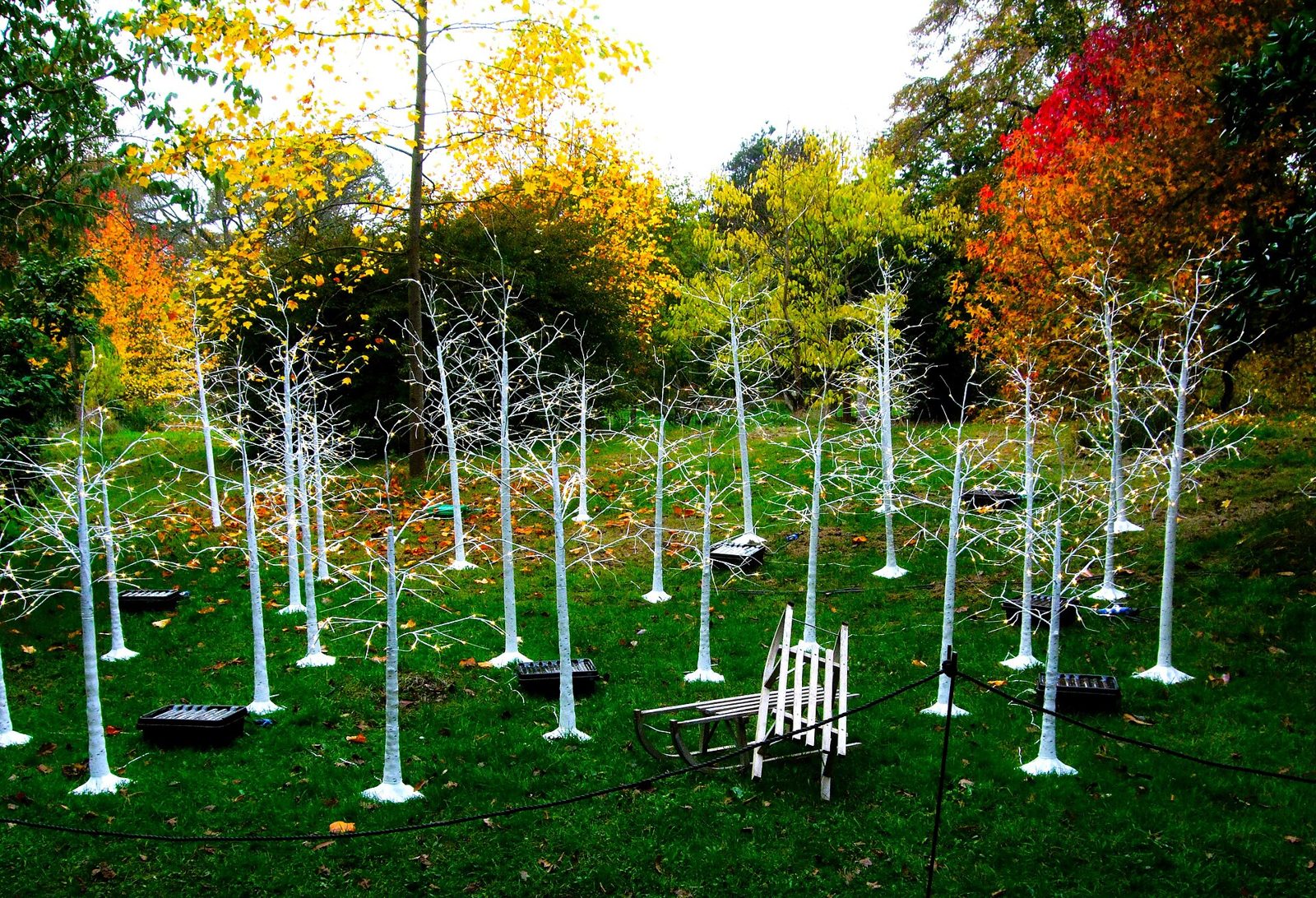
And if you’d like some inspiration on a dark evening, many of the big gardens are lit up for Christmas this month. Our UK garden events calendar lists the light trails and winter shows worth a trip.
Frequently asked questions
Is it too late to plant bulbs in November?
No. November is the best month for tulips, and daffodils, crocus and alliums will still flower if they’re planted now, though they may be a little later in their first year. Plant firm bulbs as soon as you can, and avoid any that are soft or mouldy.
Can you plant garlic in November in the UK?
Yes. Garlic is usually planted from mid-autumn to early winter because it needs a spell of cold to form a good bulb. Plant cloves 15cm apart with the tip 2.5cm below the soil, in the ground, a raised bed or a pot at least 25cm deep.
Can you plant roses in November?
Yes. November is the start of the bare-root season, and it’s a good time to plant both bare-root and potted roses, as long as the ground isn’t frozen or waterlogged. Soak bare roots for an hour or two first and water them in well.
Final thoughts
November planting is mostly about patience. Nothing much happens on the surface for months, and then suddenly it’s April and the pots are full of tulips and the garlic is shooting up. If you only have time for one or two jobs, I’d plant a pot of tulips and a row of garlic. They’re cheap, almost foolproof and very satisfying.
Pick a dry afternoon, plant what you can, and put the kettle on. The garden will do the rest over winter.
Some links on this page are affiliate links. If you buy through them, Plantrella may earn a small commission at no extra cost to you. As an Amazon Associate we earn from qualifying purchases.