How to Protect Potted Plants from Frost and Winter Storms
We’ve already had the first named storms of the season and a few cold, clear nights, and that’s my cue to sort out the pots on the patio. Plants in containers are much more exposed to winter weather than the same plants in the ground. Their roots sit above soil level with only a thin wall of terracotta or plastic between them and the cold, and a tall pot on a windy patio is easy to knock over.
A bit of preparation in early November saves a lot of heartbreak in February. Here’s how I protect potted plants from frost, and what I do when a storm warning comes up, without spending a fortune or filling the shed with kit.
Why potted plants need more protection than border plants
In the ground, roots are insulated by the soil around them. In a pot, the whole root ball can freeze solid, and roots are usually far less hardy than the leaves and stems above. A plant that would sail through winter in a border can struggle in a container.

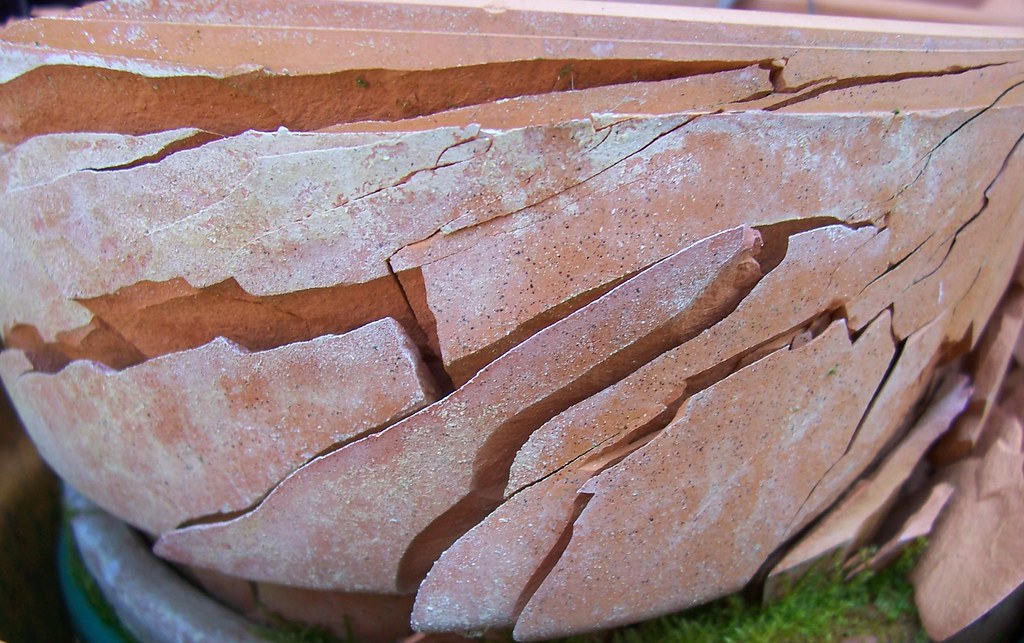
Pots also have a habit of staying wet. Wet compost that freezes and thaws over and over is hard on roots, and it’s what cracks terracotta too. So winter protection for pots is really about three things: keeping the roots from freezing solid, keeping the compost from getting waterlogged, and keeping the pot upright and in one piece.
Know which pots need protecting
Before you start wrapping everything, check what you’re growing. The RHS gives plants a hardiness rating from H1 (needs heated glass) to H7 (very hardy), and you’ll often see it on plant labels. As a rough guide:
| Type of plant | Examples | What to do in winter |
|---|---|---|
| Tender | Pelargoniums, cannas, citrus, most succulents | Move into a greenhouse, porch, conservatory or a bright, frost-free room |
| Borderline hardy | Agapanthus, olive trees, bay trees, cordylines, tree ferns | Move to a sheltered spot, wrap the pot and fleece on the coldest nights |
| Hardy | Box, skimmia, heuchera, hebe, ornamental grasses, most herbs like rosemary and thyme | Usually fine outside, but raise the pot and group it with others for shelter |
If you’re choosing plants for pots now, it’s well worth going for hardy ones that can stay out all year. My guide to low-maintenance patio plants lists plenty that cope with a UK winter in a container.
How to protect potted plants from frost
1. Move pots somewhere sheltered
The simplest and cheapest protection is position. A spot against the house wall, especially a south or west-facing one, is noticeably warmer than the middle of the patio. Overhanging eaves keep off some of the rain too, so the compost doesn’t get waterlogged. Just keep an eye on watering, as pots under the eaves can get surprisingly dry.
2. Group pots together
Pots huddled together shelter each other and are less likely to blow over. I put the hardiest plants on the outside and the more tender ones in the middle. It also makes it much quicker to throw a bit of fleece over everything when a frost is forecast.
3. Raise pots on pot feet
This one makes a bigger difference than you’d think. Lifting pots slightly off the ground lets water drain freely out of the bottom, so the compost doesn’t sit wet and freeze. It also stops terracotta pots freezing onto the patio. Take saucers away for the winter for the same reason.


4. Wrap the pot to protect the roots
Wrapping the outside of the pot insulates the roots. Bubble wrap works brilliantly and is easy to cut to size. If you don’t like the look of it, hessian is more attractive and does a decent job, or you can put bubble wrap on first and hessian over the top. Leave the top of the compost and the drainage holes uncovered so water can still get out.
5. Cover tender plants with fleece on cold nights
Horticultural fleece protects the leaves and stems from light frosts while still letting light and air through. Fleece jackets with a drawstring are the easiest option for pots, as you just slip them over the plant and tie them at the base. For borderline plants like olive trees and agapanthus, I put them on when a hard frost is forecast and take them off again once the weather turns milder, so the plant isn’t sitting in damp, still air for weeks.
Don’t use plastic sheeting directly on plants. It doesn’t breathe, so condensation builds up underneath and can freeze against the leaves.

- PLANTS PROTECTION: Our plant protection protects outdoor plants from cold and bad weather such as wind, frost, snow and …
- QUALITY MATERIAL: The winter fleece is made of high quality breathable non-woven polypropylene with a weight of 80g/m². …
- EASY TO USE: Our protective cover is easy to put on and take off. The integrated adjustable drawstring is specially desi…
It also helps to know how cold it actually gets in your garden. A simple max-min thermometer on the patio wall shows the lowest overnight temperature, and I’ve found my sheltered corner is often a little milder than the forecast suggests, while the open middle of the garden is colder.

- Displays the current maximum and minimum
- Stylish optics through the noble design
- Suitable for indoor as well as outdoor use
For wrapping pots, a large roll of bubble wrap goes a long way and you can reuse it every winter.

- CONTENTS: 1 Large Roll of Bubble Wrap | ROLL WIDTH: 500mm (19.7in) | ROLL LENGTH: 100m (328ft) | AIR BUBBLE DIAMETER: 10…
- A PACKAGING ESSENTIAL: Whether it’s bubble wrap for moving house, protecting fragile items during shipping or storage, o…
- DURABLE, LIGHTWEIGHT & FLEXIBLE: With small 10mm air bubbles that conform easily to any shape and remain airtight under …
6. Water less, and water in the morning
Potted plants still need some water in winter, especially evergreens and anything sheltered from the rain. But they need much less than in summer. Check the compost with your finger and only water when it’s dry a few centimetres down, ideally on a mild morning so the excess drains before nightfall. If you have an automatic watering system, winter is a good time to turn it off and drain it. I cover this in my post on smart irrigation systems.
7. Bring the most tender plants indoors
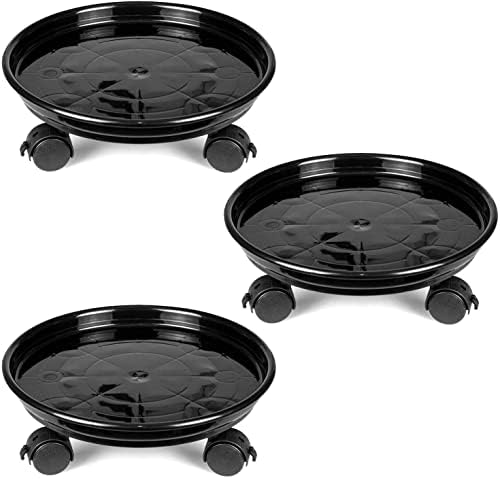
Pelargoniums, citrus and succulents are much happier in a frost-free greenhouse, porch or a cool, bright room. A plant caddy with wheels makes moving heavy pots so much easier on your back.

Why do terracotta pots crack in winter?
Terracotta is porous, so it soaks up water. When that water freezes it expands and can flake the surface or split the pot completely. Pots sitting in a puddle or a saucer are at the most risk.
- Look for pots labelled frost-proof or with a frost guarantee when you buy. “Frost-resistant” is a weaker claim.
- Raise terracotta pots on feet and take away saucers so they can drain.
- Empty pots you’re not using, and store them upside down or under cover.
- Glazed pots can crack too if water gets under the glaze, so the same rules apply.
Protecting pots and patio plants in winter storms
Wind can do as much damage as frost. Tall plants in pots catch the wind like a sail, and a heavy pot falling over can break the pot, snap the plant and crack your paving. When a storm is forecast, I do a quick tour of the patio a day or two before.
Before the storm
- Move pots into the lee of the house or a wall, away from gaps where the wind funnels through.
- Lay tall plants on their side. Standard bay trees, olives and tall grasses in pots are better lying down for a night than blowing over. Wedge them so they can’t roll.
- Tie tall pots to something solid, such as a fence post, trellis or railings, using soft ties or bungee cords around the pot rather than the stem.
- Take down hanging baskets and lift lightweight pots off walls and balcony ledges. If you garden on a balcony, my roof terrace and balcony ideas post has more on choosing plants that cope with wind.
- Check stakes and ties on climbers and young trees. Loosen anything that’s cutting in, and add a tie where stems are swinging about.
- Put away cushions, parasols and light furniture, and stack or tie down the rest.

- STURDY & RELIABLE:The military style bungee cords are particularly durable and tear-proof making them the ideal solution…
- PREMIUM MATERIAL:Super elastic natural latex inner core provides consistent tension and is 50% more durable than synthet…
- WIDE APPLICATION – An essential tool for securing cargo and loads on cars, trucks, trailers, RVs, motorcycles, bikes, an…
After the storm
- Stand pots back up, check for cracks and repot into a new container if needed.
- Firm in shrubs that have been rocked by the wind. A gap around the base of the stem fills with water, which can freeze and damage the roots.
- Clear up broken stems with clean secateurs, cutting back to healthy growth.
- Check solar lights and their stakes. My small garden lighting ideas post has a few tips on fixing them more securely.
My winter checklist for pots
- Sort pots into tender, borderline and hardy.
- Move tender plants under cover before the first proper frost.
- Raise everything else on pot feet and take away saucers.
- Group pots against a sheltered wall.
- Wrap borderline plants’ pots with bubble wrap or hessian.
- Keep fleece jackets handy for cold nights.
- Water sparingly, on mild mornings only.
- Check the forecast for named storms and secure tall pots in advance.
For more ideas on making the most of a small patio all year round, have a look at my creative patio ideas for small UK gardens.
Frequently asked questions
Can I leave potted plants outside in winter?
Hardy plants can usually stay outside all winter in pots, as long as the pots drain well and are raised off the ground. Tender plants such as pelargoniums and citrus need moving somewhere frost-free, and borderline plants benefit from a sheltered spot and some extra protection.
Should I wrap my plant pots in bubble wrap?
Yes, wrapping the outside of the pot with bubble wrap or hessian helps insulate the roots. Leave the top of the compost and the drainage holes uncovered so water can still drain away.
Does horticultural fleece protect plants from frost?
Fleece gives useful protection from light frosts while letting light and air through. It’s ideal for borderline plants on cold nights. Avoid plastic sheeting directly on plants, as condensation can freeze against the leaves.
How do I stop plant pots cracking in winter?
Choose pots labelled frost-proof, raise them on pot feet, remove saucers so they don’t sit in water, and empty and store any pots you’re not using.
How do I stop pots blowing over in a storm?
Move them into the shelter of a wall, group them together, lay tall plants on their side and tie larger pots to a solid support. Take down hanging baskets before high winds.
Should I water potted plants in winter?
Only when the compost is dry a few centimetres down. Water on a mild morning so excess water drains away before night, and pay particular attention to pots sheltered from the rain.
Final thoughts
Protecting pots in winter doesn’t need to be complicated. Most of it comes down to shelter, drainage and a bit of forward planning when a frost or a storm is forecast. An hour spent on the patio now means your favourite plants are still there to enjoy when spring comes round.
Featured image: “Frosted Pot 1” by CaterinaAnna, licensed under CC BY-SA 2.0.
This post contains affiliate links. If you buy through them, Plantrella may earn a small commission at no extra cost to you. Prices change often, so check the latest price before you buy.