
As an Amazon Associate Plantrella earns from qualifying purchases.
In a small UK garden, November is mostly about protecting what you have and putting the garden to bed gently. Get tender plants under cover, raise and wrap your pots, plant the last tulips and garlic, rake leaves off the lawn into a leaf mould pile, and leave some seed heads and leaf litter for wildlife. Mid-month is not too late for any of that. You can also take a few jobs off your list altogether: there’s no need to feed plants now, and no need to cut everything down.
Below is a checklist by area: pots, beds and borders, lawn, wildlife and veg. Each job links to a fuller Plantrella guide where we have one. Pick the sections that match your space. If you only have a balcony, the pots list is your whole November.

Key takeaways
- Pots: move tender plants in, raise containers onto feet, wrap big tubs, plant tulips and winter colour.
- Beds: lift dahlias after the first frost, mulch borderline-hardy plants, and leave some stems standing.
- Lawn: rake off leaves, mow only in mild spells on a higher setting, and keep off frosty grass.
- Wildlife: keep a leafy corner, check leaf piles before you disturb them, and keep bird water ice-free.
- Veg and fruit: plant garlic, sow hardy broad beans in mild sheltered spots, and winter-prune apples and pears.
- Skip it: feeding, heavy cutting back and working wet soil.
Pots and containers
Pots feel the cold first, because roots in a container have no surrounding soil to keep them warm. This is where to start.
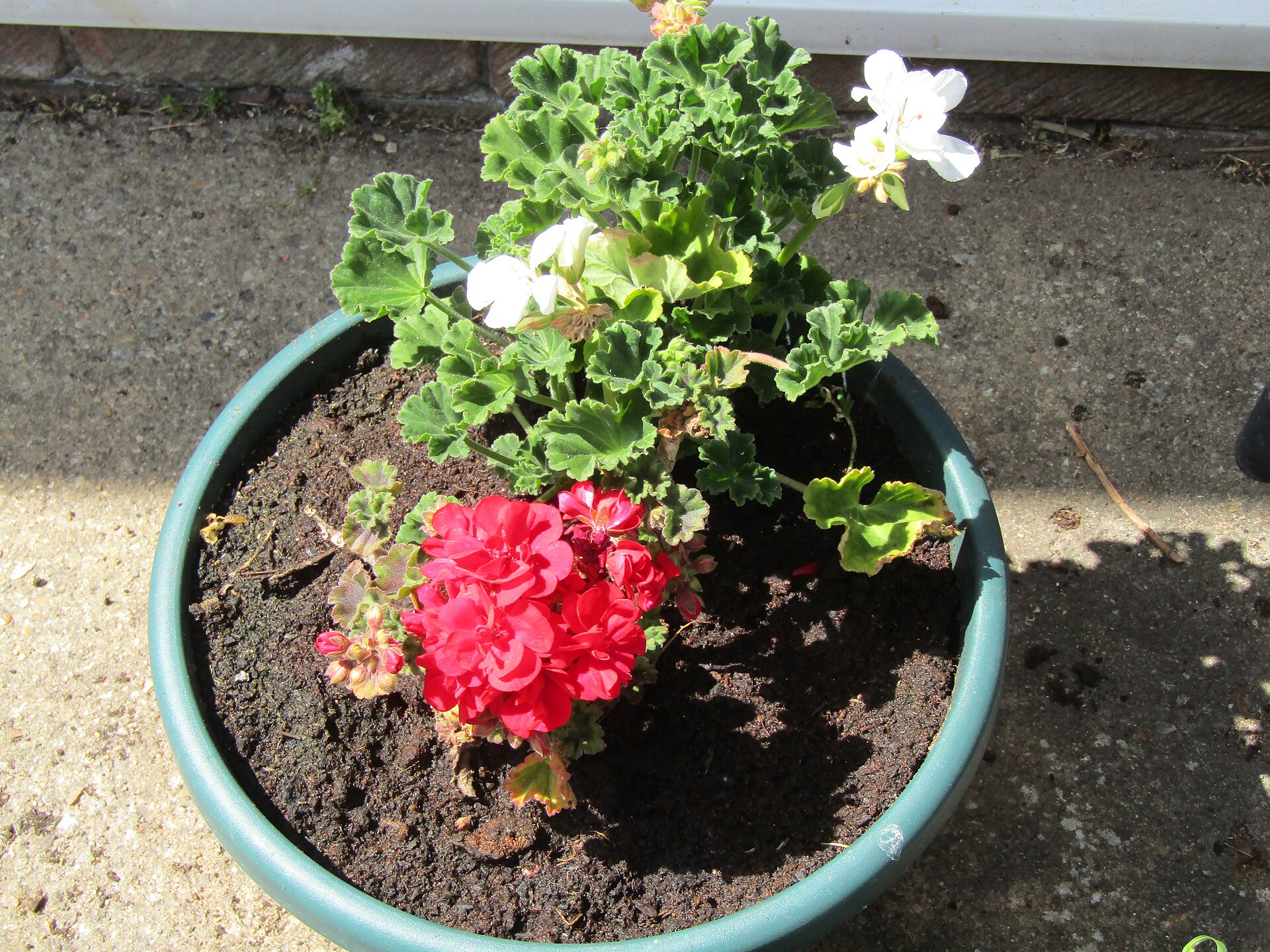
- Bring tender plants under cover before frost. Pelargoniums (patio geraniums), tender fuchsias and other frost-tender plants need somewhere light and frost-free. The RHS’s November advice is to make sure you haven’t forgotten any tender plants and bulbs. See how to overwinter geraniums for the three methods.
- Raise pots onto feet or bricks. The RHS recommends lifting patio containers onto feet or bricks for the winter, so they drain freely.

- SIMPLIFY GARDENING FOR PLANTS & FLOWERS – Prop up plants, flower pots and garden items above lawns, patios, and decking …
- A HEAVYWEIGHT CHAMP – At 35g per piece / 700g per pack, our pot risers are often 2-3x the average weight of the lighter …
- DISCREET & COMPLIMENTARY – No longer fear breaking or tripping over ceramic feet and stands, our feet remain discreetly …
- Wrap large tubs that might crack. The RHS suggests bubble wrap, hessian or fleece. See our full guide to protecting potted plants from frost and storms.

- PLANTS PROTECTION: Our plant protection protects outdoor plants from cold and bad weather such as wind, frost, snow and …
- QUALITY MATERIAL: The winter fleece is made of high quality breathable non-woven polypropylene with a weight of 80g/m². …
- EASY TO USE: Our protective cover is easy to put on and take off. The integrated adjustable drawstring is specially desi…
- Cluster pots together against a house wall for shelter. It takes five minutes and gives them a bit of shelter.
- Plant tulips in pots now. The RHS lists planting tulip bulbs as a November job. Our step-by-step tulips in pots and bulb lasagne guide shows you how.
- Last chance for winter bedding. The RHS calls November the last chance to plant out winter bedding, such as wallflowers, forget-me-nots, Bellis, primulas and winter pansies. For ideas, see our 15 easy winter container plants.
- Don’t feed. The RHS advises against feeding plants this late in the year. They’re no longer growing, and the nutrients can wash into rivers and streams with winter rain.
Beds and borders
- Lift dahlias once frost has blackened the leaves. The RHS November list includes lifting and storing dahlias, cannas and tuberous begonias that have been hit by the first frosts. In mild gardens with free-draining soil, some people leave them in under a thick mulch instead.
- Mulch borderline-hardy plants. The RHS suggests an autumn mulch over plants such as agapanthus, kniphofia and phygelius. Kniphofia leaves can be tied up over the crown as extra protection.
- Leave penstemons alone. Deadhead them but don’t cut them back. The RHS says the old stems help protect the crowns from cold. Cut back in spring.
- Cut back only what’s collapsed or diseased. You can keep cutting down faded perennials for the compost heap. The RHS adds the exception of stems left for structure or as a habitat for overwintering wildlife. More on that below.
- Clear leaves from borders and alpines. Add them to the compost heap or a leaf mould pile. The RHS notes that plane and sycamore leaves are slow to rot, so they’re better kept out of the main heap.
- Plant bare-root roses and hedging. The RHS says bare-root hedging, trees and shrubs become available this month, and it’s an ideal time to plant roses. Avoid spots where roses grew before (to avoid “rose sickness”). If the ground is frozen or waterlogged, heel the roots into a spare patch of soil for a short while.
- Reduce wind rock on bush roses. Cutting hybrid tea, floribunda and modern shrub roses back by about a third now stops them rocking loose in winter winds, according to the RHS. The proper prune comes in February or March.
- Check tree ties and stakes. Loosen any that are cutting into the bark.
- Keep off sodden soil. Walking on wet beds compacts the soil. Use a plank, or wait for a drier day.
Lawn
- Rake up fallen leaves. The RHS warns that leaves left on grass block light and moisture. Add them to a leaf mould pile, or push them to the back of a border to rot down.
- Mow only if needed, and only in mild spells. Grass keeps growing above about 7°C, the RHS says. Raise the blades to about 5mm higher than your summer setting.
- Keep off frosty grass. Walking on frozen blades damages them and leaves brown footprints.
- Spike soggy patches. If water sits on the lawn, spike it with a garden fork and brush in a mix of sharp sand and loam, as long as the ground isn’t waterlogged or frozen.
- Leave the toadstools. Most are harmless and feed on dead organic matter, the RHS explains. Remove them if small children use the lawn, wearing gloves.
- Still time for bulbs in grass. The RHS suggests snowdrops, crocuses and daffodils planted into an area you can leave unmown in spring.
Wildlife
A small garden can do a lot for wildlife in winter, mostly by doing a bit less tidying.
- Keep a wild corner. Leave some seed heads and hollow stems standing, and keep a corner of leaf litter. The RHS calls dead stems valuable habitat for overwintering wildlife. Our post on leaf mould and winter wildlife in small gardens explains how to keep it looking deliberate.
- Check before you disturb. The RHS advises checking leaf piles for sheltering wildlife before shredding or moving them. Do the same with compost heaps and log piles, where hedgehogs and amphibians may be tucked up. Our hedgehog-friendly garden guide has more on this.
- Leave log piles and compost heaps undisturbed. The RHS describes these as safe winter refuges for amphibians.
- Keep bird water ice-free. The RSPB says birds need fresh water for drinking and bathing all year round, and rely more on bird baths when natural sources ice over. Melt the ice daily with warm water, or float a light ball on the surface to keep it moving. Never add glycerine, antifreeze, salt or sugar.
- Feed little and often. If you feed birds, the RSPB suggests putting out only enough food to be eaten within one to two days, and cleaning feeders once a week with a mild detergent.
- Ponds: rake out fallen leaves, or shake them off any netting. The RHS says it’s fine to cut back long grass at the pond edge now, as most amphibians have left the water.
For more year-round ideas, see how to create a wildlife-friendly garden in a small space.
Veg and fruit
- Plant garlic. The RHS gives the usual planting time as mid-autumn to early winter, so mid-November is fine if the soil isn’t frozen or waterlogged. Use a pot at least 25cm deep if your soil is heavy. Our guide to when to plant garlic in the UK, including pots, has the timings and spacing.
- Sow broad beans, but only in mild, sheltered spots. The RHS says October and November sowings are possible in milder parts of the UK or very sheltered sites, especially on well-drained soil. Use a hardy variety such as ‘Aquadulce Claudia’ AGM and protect the young plants in cold spells. Everywhere else, wait until late winter or spring.
- Winter-prune apples and pears. The RHS gives the timing for free-standing trees as November to early March, while they’re dormant. Leave plums and cherries alone: the RHS warns that Prunus pruned in autumn or winter is vulnerable to silver leaf.
- Leave autumn raspberries until February. The RHS cuts autumn-fruiting canes to the ground in February. Summer-fruiting canes should already have been pruned straight after harvest. If you missed that, take out the old fruited canes now.
- Cover bare soil. A layer of compost or leaf mould over empty beds helps protect the soil over winter.
- Tidy up for next year. Clear diseased leaves, such as rose black spot and apple scab, which the RHS says helps cut disease next year. The RHS suggests putting them in your council garden waste collection rather than your own compost.
What you can skip in November
- Feeding plants. They aren’t growing, and the nutrients wash away.
- Cutting everything down. Most hardy perennials and grasses can stand until late winter.
- Pruning plums, cherries and other Prunus. That’s a summer job.
- Digging or walking on wet soil. Wait for a dry day, or skip it.
- Sowing lawn seed. The RHS says early November is the limit. In colder areas, wait until March or April.
Frequently asked questions
What should I be doing in the garden in November in the UK?
In a small garden: protect tender plants and pots from frost, plant tulips and garlic, rake leaves into a leaf mould pile, lift dahlias after frost and leave some cover for wildlife. The checklist above sorts these by area.
What can I plant in the garden in November in the UK?
Tulip bulbs, garlic, winter bedding (it’s the last chance), bare-root roses, hedging and shrubs, and broad beans in mild, sheltered spots.
What should I do in the vegetable garden in November?
Plant garlic, sow hardy broad beans if you’re in a mild area, winter-prune apples and pears, clear diseased leaves and mulch bare soil.
Is it too late to plant tulips in November?
No. The RHS lists planting tulips as a November job. Our tulips in pots guide covers timing and depth.
What to do now
Choose the section that matches your space and do the first two jobs this weekend. For most small gardens that means checking tonight’s frost forecast, getting tender plants under cover and lifting your pots onto feet. The rest can wait for a dry, mild afternoon later in the month.
Related posts
- How to protect potted plants from frost and storms (UK)
- Leaf mould and winter wildlife tips for small gardens
- How to plant tulips in pots and make a bulb lasagne (UK)
- Winter container plants: 15 easy picks for UK pots
- Hedgehog-friendly garden: Bonfire Night and winter tips
The Plantrella Team
Some links on this page are affiliate links. If you buy through them, Plantrella may earn a small commission at no extra cost to you. As an Amazon Associate we earn from qualifying purchases. Prices and availability shown in the product boxes come from Amazon and can change.
Photo credits
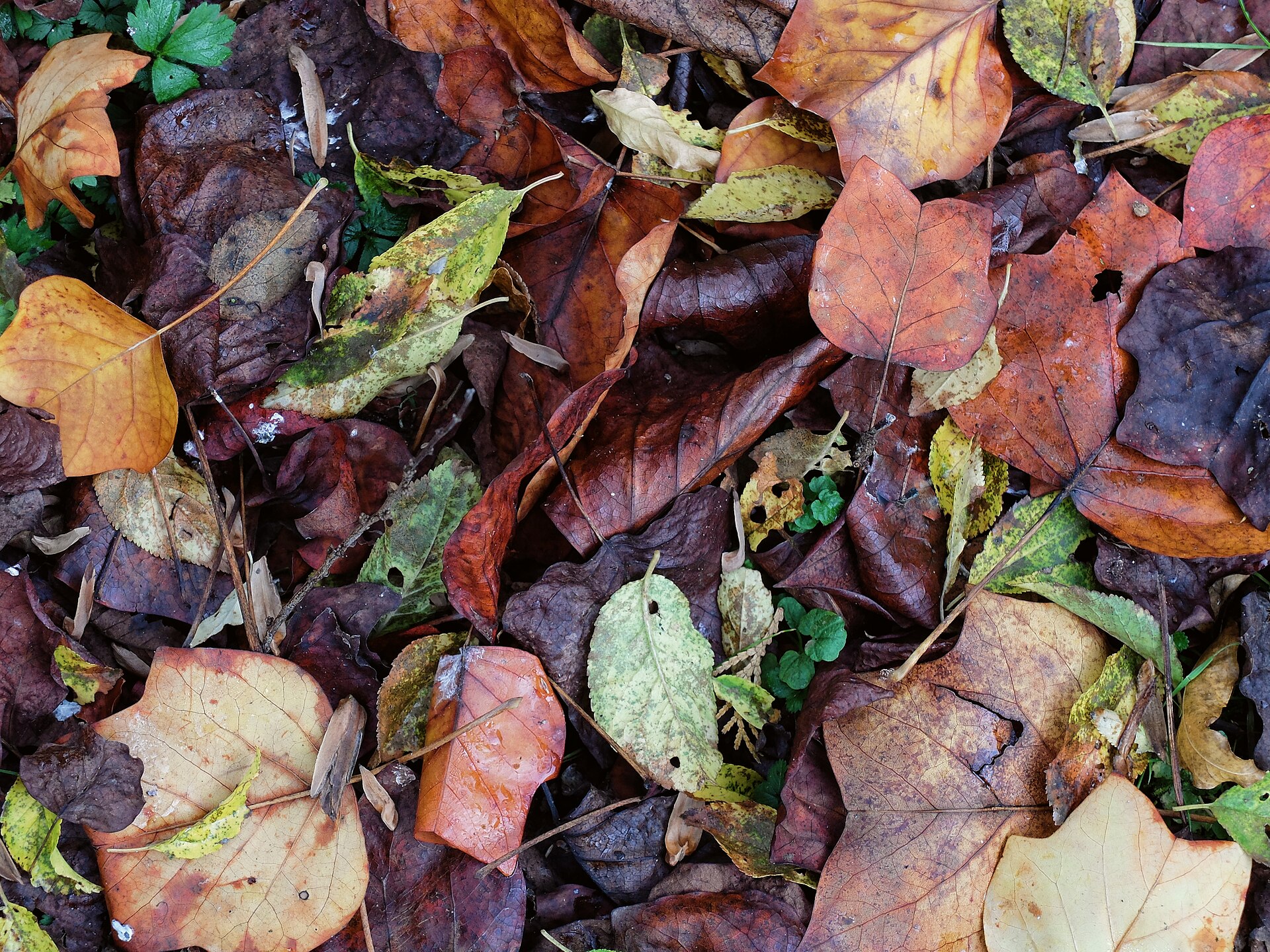
Featured image: “Autumn leaves in a garden” by Jules Grandgagnage, licensed under CC BY-SA 4.0, via Wikimedia Commons.
Sources (all checked 15 November 2026)
- RHS, November jobs: flowers: https://www.rhs.org.uk/advice/in-month/november/flowers (tender plants, tulips, winter bedding, raise and insulate pots, don’t feed, dahlias, penstemons, mulching borderline-hardy plants, leaves, wildlife stems)
- RHS, November jobs: lawns: https://www.rhs.org.uk/advice/in-month/november/lawns (leaves, mowing above 7°C and 5mm higher, frosty lawns, spiking, toadstools, bulbs in lawns, lawn seed timing)
- RHS, November jobs: trees and shrubs: https://www.rhs.org.uk/advice/in-month/november/trees-shrubs (bare-root plants, roses and replant disease, reducing rose wind rock, Prunus and silver leaf, tree ties, checking leaves for wildlife, garden hygiene)
- RHS, November jobs: ponds: https://www.rhs.org.uk/advice/in-month/november/ponds (leaves, pond-edge grass, amphibian refuges)
- RHS, garlic: https://www.rhs.org.uk/vegetables/garlic/grow-your-own
- RHS, broad beans: https://www.rhs.org.uk/vegetables/broad-beans/grow-your-own
- RHS, apples and pears: winter pruning: https://www.rhs.org.uk/fruit/apples/winter-pruning
- RHS, raspberries: https://www.rhs.org.uk/fruit/raspberries/grow-your-own
- RSPB, “Three ways you can help birds in winter”: https://www.rspb.org.uk/whats-happening/news/three-ways-you-can-help-birds-in-a-cold-snap, and RSPB members’ Q&A, winter/spring 2026: https://members.rspb.org.uk/your-questions-winter-spring-2026/ (water, ice, no additives, feeding amounts, cleaning). Both opened and checked 15 November 2026.