Leaf Mould and a Cosy Winter Wildlife Corner
When the first proper frost nips the lawn and the last roses give up, it’s tempting to tidy everything away and close the garden for winter. I used to do the same—rake, bag, bin—until I realised those leaves and “messy” corners are some of the best free gifts a small UK garden gets all year.
This autumn I’m using fallen leaves two ways at once: stacking them into leaf mould for next year’s beds and pots, and leaving a little wild edge so birds, hedgehogs and insects have somewhere to ride out the cold. Neither job needs a huge plot. A patio corner, a side return or the strip behind the shed will do.
Why leaf mould is worth the wait
Leaf mould isn’t the same as compost. Compost is a hot, mixed stew of greens and browns. Leaf mould is mostly leaves, broken down slowly by fungi into a dark, crumbly soil conditioner. It’s brilliant for:
- Mulching around shrubs and soft fruit
- Improving moisture holding in potting mixes (especially for ferns, hostas and woodland-style pots)
- Top-dressing beds in spring without the “burn” of rich manure
In a small garden, even two or three bags’ worth makes a difference. You’re not paying for bark mulch, and you’re not sending green waste to the kerbside.
How to make it (the lazy, patio-friendly way)
- Collect leaves when they’re damp, not sodden. Dry leaves blow everywhere; wet ones clump and rot slowly. Skip diseased roses or box if you’ve had blight or box tree caterpillar—those go in the council green bin, not the leaf pile.
- Use what you have. A simple wire circle (chicken wire tied into a cylinder), an old dustbin with holes drilled in the sides, or perforated black bags all work. I favour bags on a patio: poke ten holes, fill loosely, and tuck them behind a bench.
- Mix in a little air. Don’t stamp leaves into a brick. A handful of garden soil or last year’s compost sprinkled through helps the fungi along.
- Wait. Soft leaves (ash, birch, fruit trees) can be usable in 12 months. Tough oak and beech often need 18–24. Check in autumn next year; when it smells earthy and crumbles, it’s ready.
- Use it. Sieve for potting mixes; use coarser mould as a mulch under shrubs and hedges.
Tip: shredded leaves break down faster. A quick pass with the mower over a dry lawn covered in leaves is enough—then rake the shreds into your cage.
Leave a little “untidy” for wildlife
A completely stripped garden looks neat in November and lonely by January. Wildlife needs cover, food and damp hideaways more than it needs perfect edges.
A winter corner that still looks intentional
You don’t have to surrender the whole garden. Pick one edge—behind the bins, under a hedge, or the far corner of a patio—and treat it as a small reserve:
- Log and stick pile: A few logs stacked loosely, topped with twigs. Beetles and fungi move in; birds hunt through it.
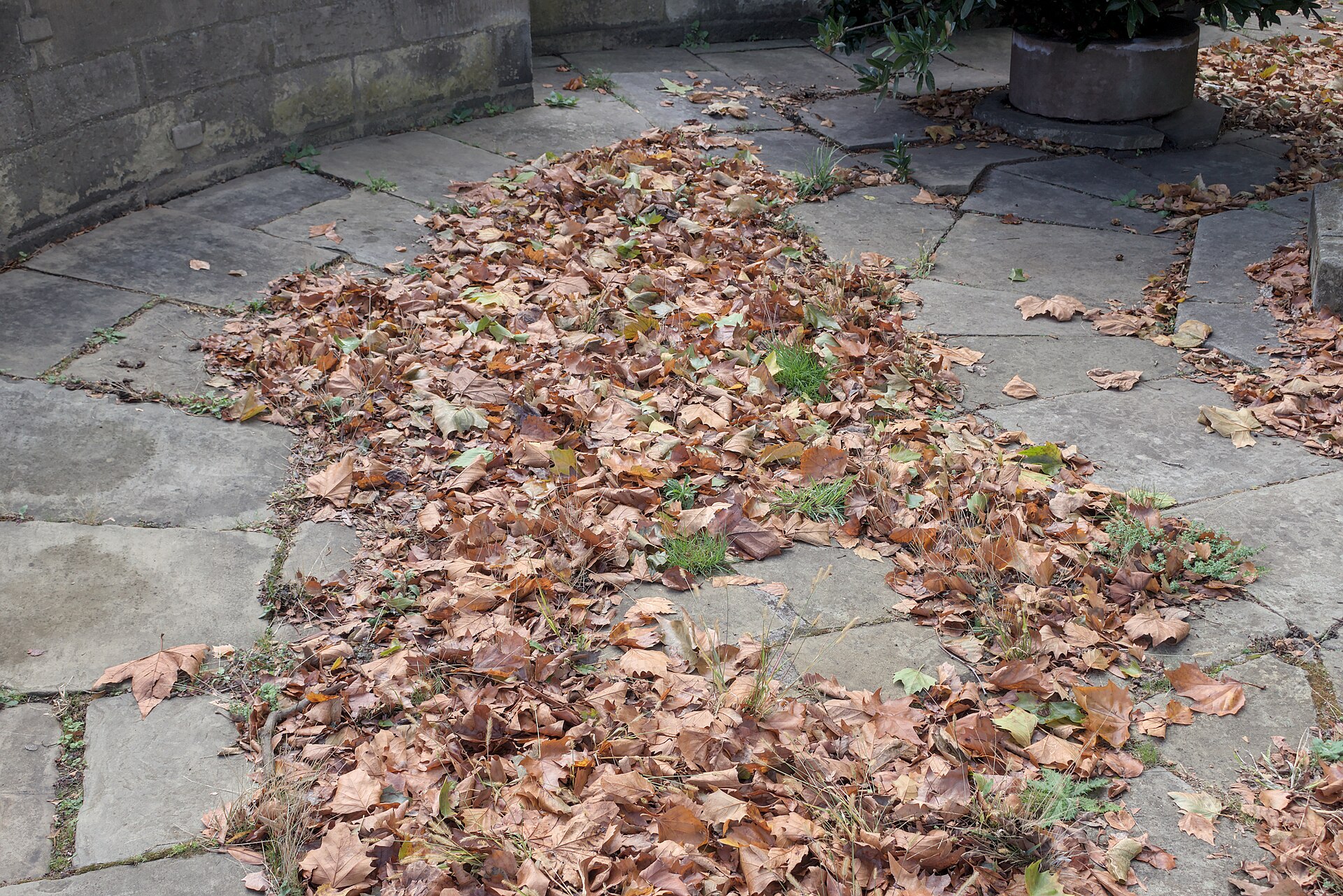
- Leaf “duvet” under shrubs: Leave a layer of leaves under hedges and at the back of borders. Hedgehogs and invertebrates use them; the soil stays insulated. Keep paths clear so it still feels cared for.
- Seed heads: Leave some grasses, echinacea, teasel or sunflowers standing if you have them. Goldfinches and other birds will thank you. Cut them back in late winter when you’re ready for spring.
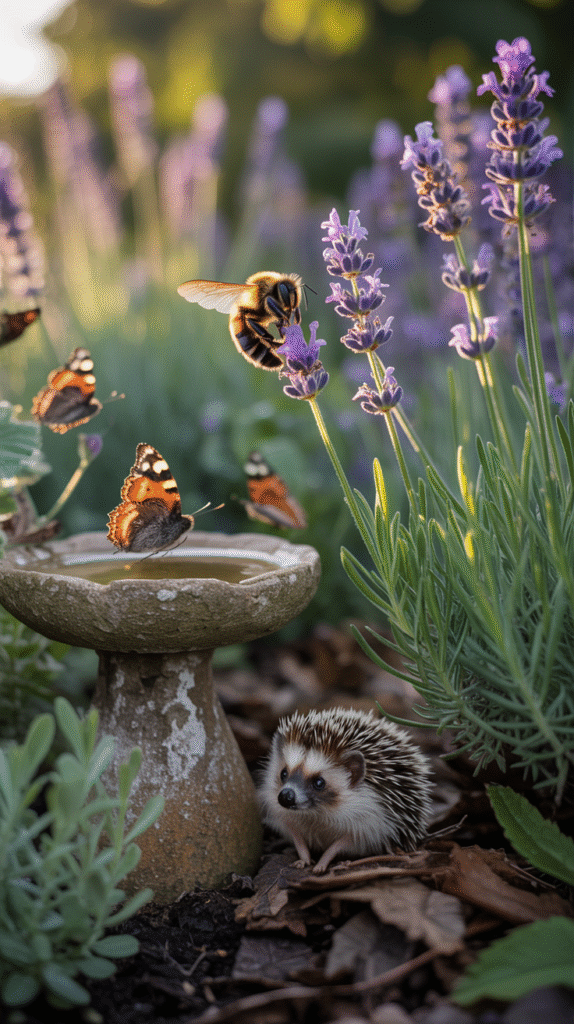
- Water that doesn’t freeze solid: A shallow dish on the patio, refreshed often, matters more than a fancy bath. Float a small stick so creatures can climb out.
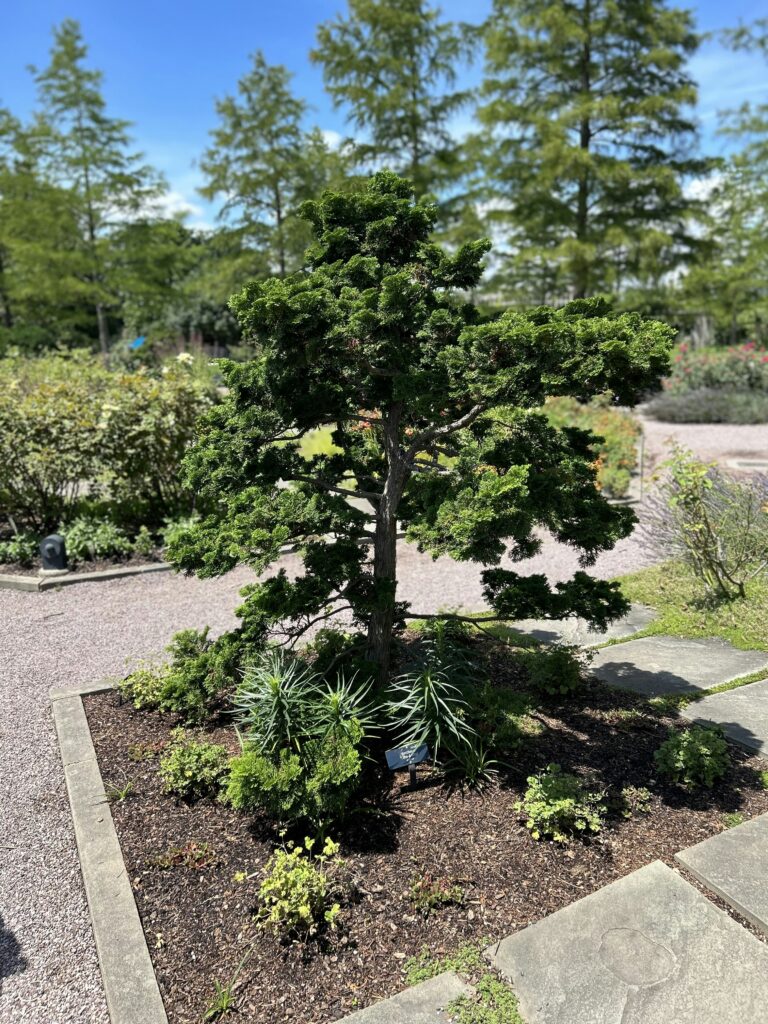
- Evergreen shelter: A couple of pots of ivy, skimmia, sarcococca or dwarf conifer give structure and cover when everything else is bare.
If you’re nervous about looking “messy,” frame the wild corner with a neat path edge or a low planter so the rest of the garden still reads as a cosy outdoor room.
Patio pots that earn their keep through winter
While leaves are rotting down, keep a little colour and structure by the back door:
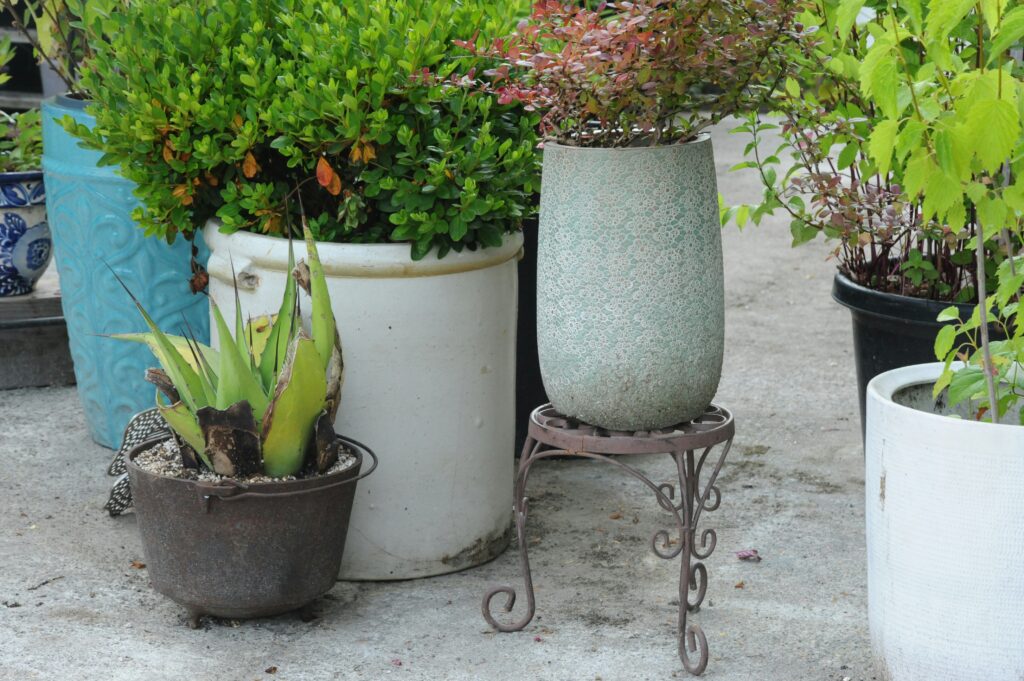
- One large pot of evergreen structure (skimmia, dwarf box alternative such as ilex crenata, or an olive in a sheltered spot)
- A second pot of winter interest: cyclamen, violas, heathers, or ornamental kale
- A third for scent near the seat: winter honeysuckle or sarcococca if you have the space
Mulch those pots with a thin layer of leaf mould or bark so roots stay insulated and water doesn’t bounce off bare compost.
A simple weekend plan
Saturday morning: Rake leaves from lawns and paths into bags or a wire cage. Leave the under-hedge layer alone.
Saturday afternoon: Build or tidy a small log pile and refresh the bird bath.
Sunday: Replant or top up two patio pots for winter, and tuck a mulch of leaves or mould around permanent shrubs.
None of this is dramatic. It’s the quiet work that makes a small garden feel alive in January—and gives you free soil improver when spring planting starts again.
Enjoying the garden through winter
A cosy outdoor retreat isn’t only for long summer evenings. It’s the place where you notice the robin on the fence, where the leaf bags sit patiently behind the bench, and where a single winter pot still looks welcoming when you put the kettle on. If you’re shaping a wildlife-friendly corner or a patio that works year-round, take it one edge at a time—that’s how small UK gardens stay kind to both people and wildlife.