How to Make a Hedgehog-Friendly Garden This Bonfire Night and Winter
Every autumn I get a little bit protective of the hedgehogs that trundle through our garden after dark. Late October and November is a tricky time for them. They’re feeding hard to build up fat for hibernation and hunting for somewhere dry to sleep, and then along comes Bonfire Night with lovely big piles of branches and leaves that look like the perfect hedgehog hotel.
The good news is that you don’t need a big wild garden to help. A small patio garden with a gap in the fence, a pile of leaves in a quiet corner and a dish of water can make a real difference. Here’s what I do, from bonfire safety to food, shelter and the small changes that make a garden hedgehog-friendly all year.
Why autumn matters so much for hedgehogs
Hedgehogs usually hibernate from around November to March in the UK, although it depends on the weather and they often wake up and move nests during mild spells. Before they settle down, they need to put on enough weight to last the winter, so autumn is all about eating and finding a safe, dry nest.

That’s why this is the time of year when a garden can help most. Food and water top up their reserves, and leaf piles, hedges and hedgehog houses give them somewhere to build a nest. Late-born hoglets are the ones that struggle most, because they have less time to grow before the cold sets in.
Bonfire Night: how to keep hedgehogs safe
A bonfire pile that’s been built up over a few days is exactly the kind of sheltered, leafy heap a hedgehog looks for. When they’re frightened they curl up into a ball rather than run away, so a hedgehog sleeping in a bonfire won’t escape once it’s lit.
Build it on the day, or move it before you light it
- Build the bonfire on the day you light it if you can, so nothing has time to move in.
- If the pile has been there a while, move it piece by piece to a new spot just before lighting. That way anything sleeping in it is disturbed before the fire, not during it.
- Build it on bare soil or paving, away from hedges, compost heaps and log piles where hedgehogs might be nesting.
Check carefully before lighting
- Use a torch and look into the base of the pile from all sides.
- Lift the edges gently with a broom handle rather than stabbing in with a fork.
- Listen too: a hedgehog that’s disturbed often hisses or huffs.
- Light the bonfire from one side only, so anything still inside has an escape route.
If you do find a hedgehog, wear gardening gloves, pop it into a high-sided cardboard box with some newspaper or an old towel, and leave it in a quiet shed or garage with a little meaty cat or dog food and water until the fire is out. Then put it back somewhere sheltered near where you found it.
Honestly, the easiest option for a small garden is to skip the bonfire altogether and go to an organised display. Garden waste can go into the green bin, onto the compost heap or into a leaf mould cage instead.
What to feed hedgehogs in autumn and winter
Hedgehogs eat beetles, caterpillars, earthworms and other invertebrates, and a wildlife-friendly garden will provide plenty. Extra food in autumn helps them build up reserves, especially young ones.
Good foods to leave out
- Meaty cat or dog food, either wet food or biscuits
- Specialist hedgehog food from a pet shop or garden centre
- A shallow dish of fresh water, changed daily. This is just as important as food, especially in dry spells.
Foods to avoid
- Milk and bread. Hedgehogs can’t digest milk properly, and bread fills them up without giving them what they need.
- Mealworms and peanuts. Hedgehog charities advise against these, so I leave them for the birds and keep them out of the hedgehog dish.
- Leftover Halloween pumpkin. Many wildlife groups ask people not to leave carved pumpkins where hedgehogs can eat them, as it can upset their stomachs. Compost it instead.
Keep feeding a small amount through the winter. Hedgehogs sometimes wake up during mild spells and are glad of a top-up, and if the food is left untouched for a couple of weeks you can cut back until spring.


Keep cats and foxes off the food
If neighbourhood cats keep eating the hedgehog food, a simple feeding station helps: a sturdy box or upturned storage crate with a hedgehog-sized entrance hole about 13cm square. Put the food at the back, away from the entrance, and weigh the lid down with a brick.
Give hedgehogs somewhere to hibernate
Hedgehogs build their winter nests from dry leaves and grass, usually under hedges, brambles, log piles or sheds. A tidy garden doesn’t leave them much to work with, so I try to keep at least one quiet corner a bit messy.
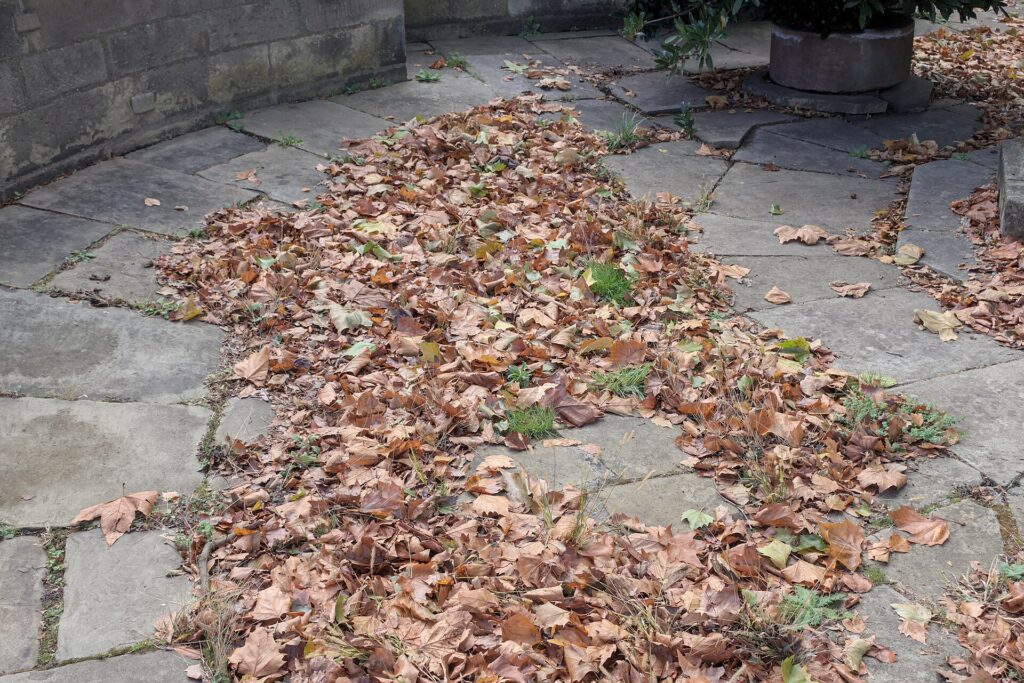
- Leave a leaf pile in a sheltered corner or under a shrub, and don’t disturb it until spring. My guide to leaf mould and winter wildlife in a small garden explains how to use autumn leaves for both.
- Make a log pile in a shady spot. Even a small stack behind the shed shelters insects that hedgehogs eat.
- Let a hedge or some dense shrubs grow thicker at the base. Evergreens give shelter all winter, and there’s a good list in my low-maintenance plants for small gardens.
- Fork compost heaps gently, or leave them alone over winter, as hedgehogs sometimes nest inside them.
Choosing and placing a hedgehog house
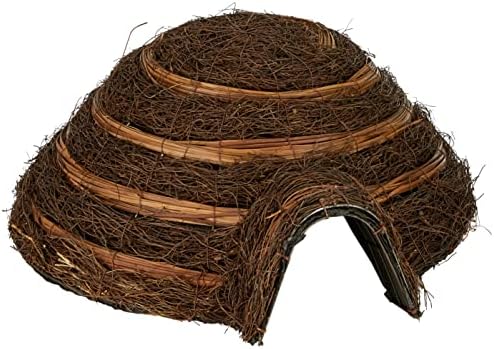
A hedgehog house is a good idea if your garden is on the tidy side. Look for a solid, dry box with an entrance tunnel or baffle to keep predators out. Then:
- Put it in a quiet, shady spot against a wall, fence or hedge, with the entrance facing away from the prevailing wind.
- Add a handful of dry leaves or straw inside, and pile leaves or brushwood over the top and sides so it blends in.
- Leave it alone once it’s set up. Disturbing a hibernating hedgehog makes it use up precious fat reserves.
- Clean it out once a year in spring, once you’re sure nobody is home, using hot water rather than chemicals.


Small changes that make a garden hedgehog-friendly all year
Make a hedgehog highway
Hedgehogs roam a long way each night looking for food and mates, so garden walls and solid fences can cut them off. A hole about 13cm by 13cm at the bottom of a fence or under a gate is big enough for a hedgehog but too small for most pets. Have a word with your neighbours first. It’s a nice thing to do together, and it links up more gardens.
Remove the hazards
- Ponds: make sure there’s a gently sloping edge or a ramp of stones so a hedgehog can climb out. Hedgehogs can swim, but they drown if they can’t get out of a steep-sided pond. My small garden pond guide covers wildlife-friendly edges.
- Netting: lift sports nets and loose garden netting off the ground at night, as hedgehogs get tangled in them.
- Strimmers and mowers: check long grass and the base of hedges before you cut.
- Slug pellets and pesticides: skip them. They kill the food hedgehogs rely on, and hedgehogs are brilliant at slug control anyway.
- Drains and holes: cover them so hedgehogs can’t fall in.
Plant for the bugs hedgehogs eat
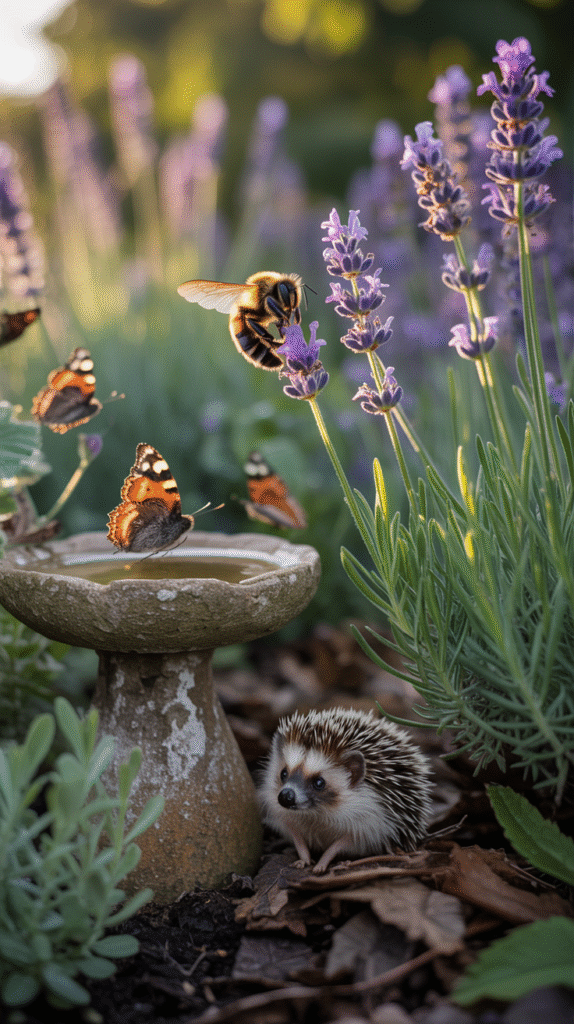
Native plants, hedges, long grass in a corner and a bit of leaf litter all bring in the beetles, worms and caterpillars that hedgehogs feed on. My wildlife-friendly garden guide and my post on native plants and wild gardens have plenty of easy ideas for small spaces.
Is that hedgehog OK? When to get help
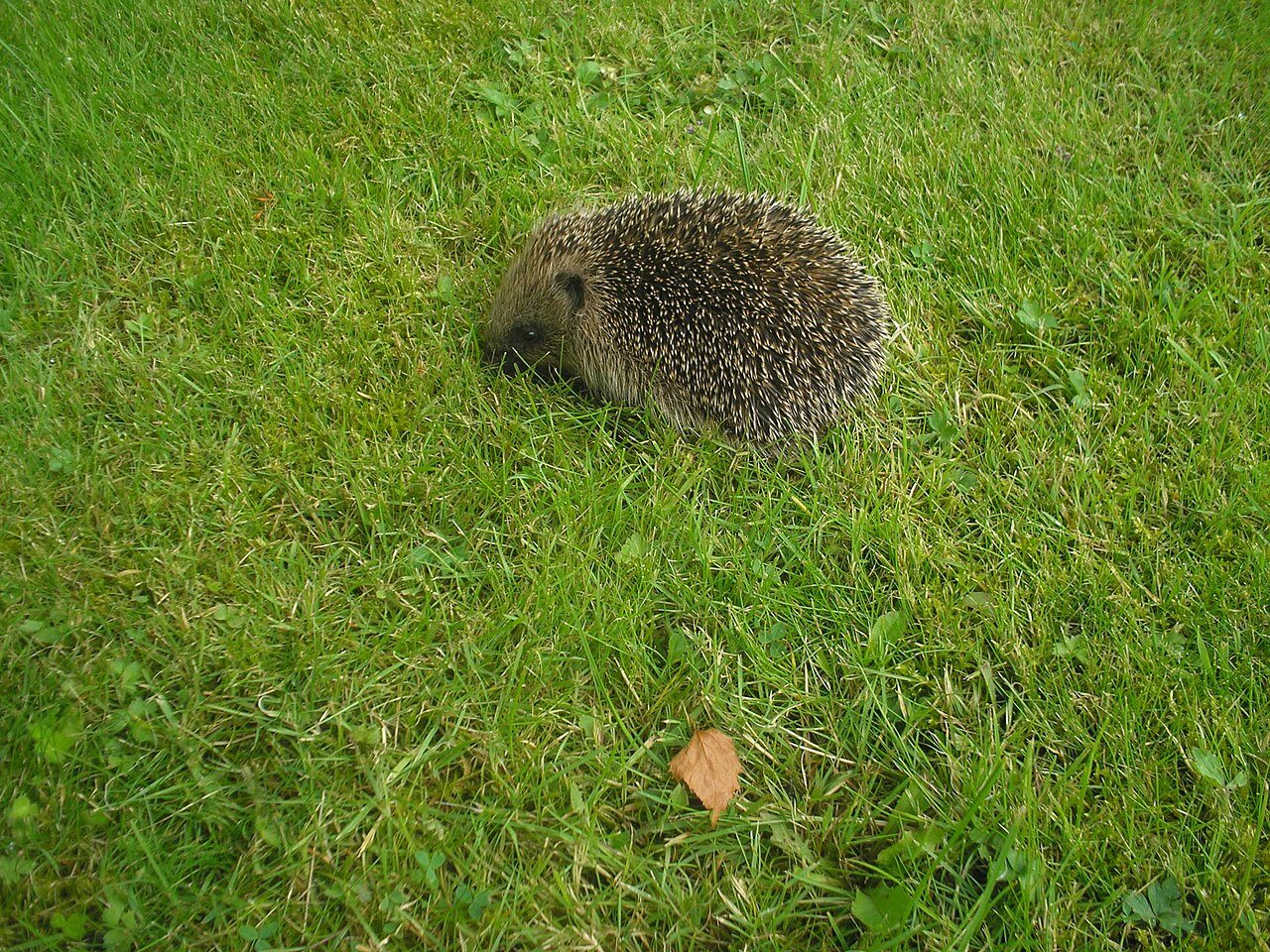
Hedgehogs are nocturnal, so seeing one out in daylight is usually a sign that something is wrong. It might be ill, injured or a young hoglet that’s too small to survive the winter on its own. In late autumn, a tiny hedgehog wandering about in the cold is a worry too.
If you find one that looks unwell, wobbly, injured or very small, contain it in a box with a towel, keep it somewhere warm and quiet, offer water and meaty cat or dog food, and contact a local hedgehog rescue, a vet or the British Hedgehog Preservation Society for advice. Don’t give it milk.
Not sure if you have hedgehogs?
Look for small, dark droppings on the lawn, or put a wildlife camera near the food dish. I can’t tell you how much fun it is to check the footage in the morning and see who’s been visiting.

- HD H.264 Video: The camera records high clarity 1296p 20fps or 1080P 30fps video. Equipped with an advanced mic, the cam…
- Enhanced 64MP Image: Features a premium optical lens and start-of-the-art image sensor, exclusive image quality tuning t…
- Excellent Night Vision: Equipped with a Sony Starvis image sensor and new-generation no glow(black) infrared LEDs combin…
Frequently asked questions
When do hedgehogs hibernate in the UK?
Usually from around November to March, but it depends on the weather. Hedgehogs often wake during mild spells and may move to a new nest, so keep a little food and water out through the winter.
What should I feed hedgehogs in autumn?
Meaty cat or dog food (wet or biscuits) or specialist hedgehog food, plus a shallow dish of fresh water. Avoid milk, bread, mealworms and peanuts.
Should I keep feeding hedgehogs in winter?
Yes, but only a small amount. Hedgehogs sometimes wake for a top-up during mild spells. If the food is left untouched for a couple of weeks, cut back until spring.
How do I check a bonfire for hedgehogs?
Ideally build the bonfire on the day, or move the whole pile to a new spot just before lighting. Check the base with a torch, lift the edges gently with a broom handle, and light it from one side so anything inside can escape.
Is it normal to see a hedgehog in the daytime?
Not usually. Hedgehogs are nocturnal, so one out in daylight is often ill, injured or too small. Put it in a box with a towel, offer water and meaty food, and contact a local hedgehog rescue or vet.
Where is the best place to put a hedgehog house?
A quiet, shady spot against a wall, fence or hedge, with the entrance facing away from the prevailing wind. Add dry leaves or straw inside, cover the outside with leaves, and leave it undisturbed through the winter.
Final thoughts
You don’t need to turn your whole garden over to wildlife to help hedgehogs. A gap in the fence, a dish of water, a bit of food and one untidy corner are enough to make your garden part of their nightly route. And this week, the single most useful thing any of us can do is check the bonfire before it’s lit.
This post contains affiliate links. If you buy through them, Plantrella may earn a small commission at no extra cost to you. Prices change often, so check the latest price before you buy.