
The Beginner’s Guide to Companion Planting for a Thriving Garden
Introduction to Companion Planting
Companion planting is an essential concept for home gardeners seeking to maximize the health and productivity of their gardens. This gardening technique involves the strategic placement of different plant species in close proximity to one another. The rationale behind this practice is that certain plants can benefit each other, leading to healthier crops and enhanced yields. By understanding and implementing companion planting principles, gardeners can create a thriving ecosystem in their backyards while promoting sustainable practices.
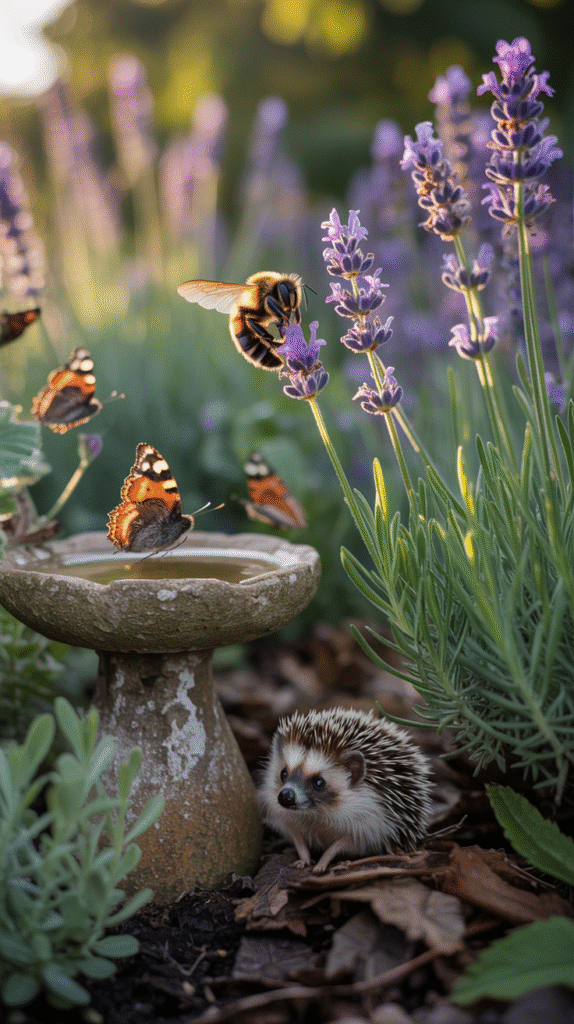
The significance of companion planting lies in its ability to improve garden health through various means. One key benefit is natural pest control; some plants can repel pests that are detrimental to others. For instance, marigolds are often planted alongside vegetables, as they help deter nematodes and other harmful insects. This organic approach minimizes the need for synthetic pesticides, thereby contributing to a healthier environment. Additionally, certain plants can attract beneficial insects, such as pollinators and predatory species that feast on garden pests, further enhancing the garden’s biodiversity.
Moreover, companion planting can enhance soil health by improving nutrient availability and promoting symbiotic relationships between plants. For example, legumes, like peas and beans, have the unique ability to fix nitrogen in the soil, benefiting neighboring plants that require nitrogen for optimal growth. This kind of interaction not only fosters plant health but also reduces the need for artificial fertilizers, aligning with sustainable gardening practices.
For those eager to cultivate a flourishing garden, exploring companion planting is a rewarding endeavor. By integrating this technique into your gardening routine, you can experience the myriad benefits that come from fostering interconnected plant relationships. Be sure to check out our related article on stopping algae in a garden pond for additional insights into maintaining a healthy garden ecosystem.
Understanding Companion Planting
Companion planting is an agricultural practice that involves growing different plant species in proximity for mutual benefits. By selecting compatible plants, gardeners can leverage natural relationships to enhance growth, deter pests, and improve soil health. This technique not only optimizes the use of garden space but also aligns with organic gardening principles, creating a balanced ecosystem that benefits both plants and the environment.
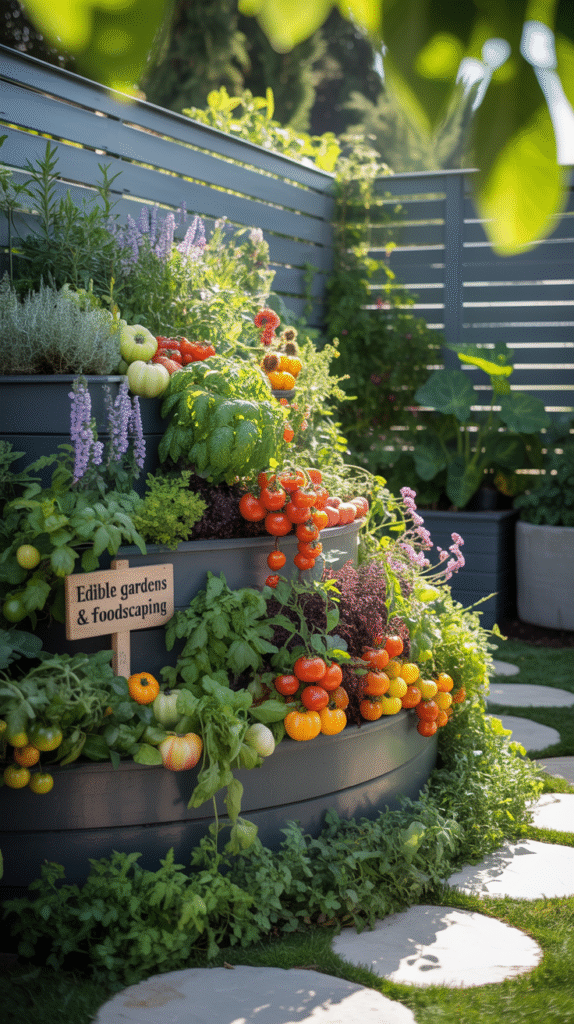
One of the primary advantages of companion planting is pest deterrence. Certain plants, when grown together, emit natural repellents that can keep harmful insects at bay. For instance, marigolds are famously known for their ability to repel nematodes and other garden pests. When planted alongside vegetables like tomatoes or peppers, marigolds naturally reduce the need for chemical pesticides, fostering an organic approach to gardening.
In addition to pest control, the synergy between companion plants can improve nutrient availability. For example, legumes such as beans and peas have a unique ability to fix nitrogen in the soil, enriching it for nutrient-hungry crops like corn and squash. This mutual benefit not only promotes healthy plant growth but also minimizes the reliance on synthetic fertilizers, thus enhancing the overall sustainability of gardening practices.
The science of companion planting draws upon principles found in natural ecosystems. Plants can enhance one another’s growth rates by competing less for sunlight and space or by providing structural support. For example, tall sunflowers can offer shade to shade-tolerant crops, while trailing plants like cucumbers benefit from the vertical growth of taller companions. Thus, understanding how these relationships work can help both novice and experienced gardeners develop thriving, productive gardens.
Through strategic pairing of plants, companion planting embodies the principles of biodiversity and natural pest control, leading to healthier gardens that reflect an understanding of ecological balance.
10 Popular Companion Plant Pairs
Companion planting is a horticultural method that enhances garden productivity through the combinations of different plant species. Understanding which plants pair well can significantly contribute to pest control, improved soil nutrients, and overall plant health. Here are ten popular companion plant pairs that beginners can implement in their own gardens.
1. Tomatoes and Basil: This classic combination is favored for both culinary and practical reasons. Basil helps deter aphids and tomato hornworms while enhancing the flavor profile of tomatoes when they grow side by side.
2. Carrots and Onions: When planted together, carrots and onions help each other by repelling pests. Onions deter carrot flies, while the scent of carrots can confuse onion flies, minimizing pest damage.
3. Beans and Corn: Beans serve as natural nitrogen fixers, enriching the soil while providing a supportive structure for corn to grow. This creates a mutually beneficial environment that encourages healthy growth for both crops.
4. Cabbage and Dill: Dill attracts beneficial insects that prey on cabbage worms, while the presence of cabbage can help dilate the growth cycles of dill, making these two plants excellent partners in the garden.
5. Marigolds and Vegetables: Marigolds are renowned for their pest-repelling properties, particularly for nematodes and other harmful insects. Planting marigolds near various vegetables forms a protective barrier enhancing overall garden vitality.
6. Spinach and Strawberries: Spinach’s growth can shade and protect strawberries from sun exposure, providing a cooler environment, which is favorable for strawberry development. Additionally, spinach can help maintain soil moisture.
7. Radishes and Cucumbers: Radishes grow quickly and help break soil compaction for cucumbers. They can also serve as a protective crop, deterring pests that may be attracted to cucumbers.
8. Peppers and Eggplants: Both of these plants share similar nutrient requirements, improving the overall growth efficiency. Planting them together can minimize competition while maximizing yield.
9. Garlic and Roses: Garlic is an effective pest repellent, particularly against aphids and other common insects that harm roses. Growing these plants together creates a healthier environment for roses to thrive.
10. Oregano and Potatoes: Oregano acts as a potent pest deterrent for potatoes, protecting them from harmful beetles. Additionally, both can thrive together in a variety of soil conditions, benefiting each other through their close proximity.
By implementing these companion plant pairs, beginners can create a thriving garden ecosystem that encourages growth, natural pest control, and improved soil health.
Planning Your Companion Planting Layout
Companion planting is an effective technique that can lead to a thriving garden, but proper planning is essential for maximizing its benefits. When creating a layout for companion plants, start by assessing the sunlight exposure in your garden. Different plants have varying light requirements, so it is crucial to place sun-loving plants in areas that receive full sunlight, while shade-tolerant varieties can be positioned in less exposed spots. Understanding these light needs will help you create an environment where each plant can thrive.
Another important factor to consider is the spacing between plants. Companion plants should complement each other without overcrowding, which can lead to competition for resources such as nutrients and water. To optimize your garden’s health, use taller plants to provide shade for shorter ones. This strategic arrangement not only makes the best use of vertical space but also enhances the growth of companion plants.
Timing is another critical element to incorporate into your planning. Some plants grow well together but may have different growing seasons. It is beneficial to stagger planting times to ensure that plants are contributing to the ecosystem throughout the garden cycle. Additionally, incorporating a diverse range of plant species can attract beneficial insects and pollinators, further supporting the overall health of your garden.
While planning your companion planting layout, it is essential to avoid common mistakes such as grouping plants with similar nutrient needs together or neglecting to consider mature plant size. A thoughtful arrangement of companion plants will not only improve growth and yield but also contribute to pest management naturally. By carefully considering factors such as sunlight, space, and timing, beginners can establish a harmonious garden that flourishes with the principles of companion planting. In conclusion, a well-planned layout sets the foundation for a successful gardening experience.
Plants to Avoid Pairing Together
Understanding which plants do not pair well together is essential for successful companion planting. Certain plant combinations can hinder growth, attract pests, or even lead to plant diseases. Therefore, when planning a garden, novices must be diligent in their pairings to avoid these common pitfalls, ensuring a thriving and productive garden.
One notorious combination to avoid is tomatoes and potatoes. Both belong to the nightshade family and are susceptible to similar diseases, including blight. Growing them together can increase the likelihood of these diseases spreading, ultimately jeopardizing both plants. Similarly, carrots should not be planted alongside dill as they can interfere with each other’s growth, producing weaker plants.
In terms of attracting pests, the pairing of corn and beans is another combination to reconsider. While beans are often considered beneficial for their nitrogen-fixing properties, they can attract pests that are harmful to corn, creating a delicate balance that can be easily disrupted. Furthermore, the presence of certain herbs, such as basil, in close proximity to rue can lead to unfavorable growth conditions due to allelopathic interactions. Rue can inhibit the growth of basil, resulting in poor yields.
Additionally, roses should not be planted near cabbage, as this combination can invite aphids—pests that thrive on both types of plants. Similarly, sage can inhibit the growth of cucumbers when planted together, reducing their overall productivity. Careful planning and consideration of these incompatible pairings are crucial to maintaining a healthy garden.
In conclusion, selecting the right companions for your garden involves knowing which plants to keep apart. By understanding these detrimental pairings, beginners can make informed choices that will contribute to the success of their gardening endeavors.
FAQ: Common Questions About Companion Planting
Companion planting can be an enriching practice for both novice and seasoned gardeners. Understanding the basics and addressing common questions can help in effectively implementing this strategy. One of the most common queries from beginners is, “How do I start with companion planting?” To begin, it is advisable to research which plants naturally support each other. For instance, pairing crops like tomatoes with basil can enhance growth and flavor while deterring pests. Sketching a layout or planning what to plant together based on compatibility can streamline your planting process.
Another frequent question is, “What plants work best in small spaces?” In smaller gardens, maximizing space while ensuring plant health can be challenging. Vertical gardening techniques come in handy; for example, climbing plants such as peas and cucumbers can be grown alongside bush varieties like lettuce. Additionally, trailing plants like strawberries not only save ground space but also can thrive in conjunction with herbs, creating a dynamic and productive garden. Choosing plants that share similar water and sunlight needs is also essential when working within tight confines.
Lastly, many choose to inquire, “How do I maintain a companion garden over time?” Ongoing care is necessary for any garden, and companion planting is no different. Regularly observing plant health, checking for pests, and rotating plants each season can assist in maintaining balance and productivity. Knowledge of which plants grow well together helps prevent overcrowding and ensures adequate light and nutrients. Establishing a planting schedule based on seasonal conditions and compatibility can also enhance the overall experience of companion planting, aiding in a thriving garden.
Conclusion: Growing a Thriving Garden Naturally
In the realm of sustainable gardening, companion planting emerges as a powerful strategy. This method aligns with the principles of organic gardening, promoting natural growth and health for both plants and the ecosystem. By carefully choosing plant combinations, gardeners can enhance growth, ward off pests, and improve soil health. The relationships fostered through companion planting not only support individual plants but also create a balanced garden environment.
For those who are venturing into the world of gardening, understanding the synergies between various plant species can be particularly rewarding. For instance, pairing certain vegetables with aromatics or flowers can deter common pests while encouraging pollination, which is essential for fruitful yields. Such practices reflect a holistic approach to gardening, where each plant plays a vital role in the garden’s overall success.
Furthermore, companion planting requires no expensive chemical solutions, making it an affordable option for any gardener. Embracing these organic methods not only protects your harvest but also contributes to a healthier planet. As you start your journey into companion planting, it is important to remain curious and open to exploration. Experimentation is key; every garden is unique, and what works in one setting may not provide the same results in another.
With a solid foundation in companion planting principles, we encourage you to create your own combinations, monitor their progress, and adapt your strategies as needed. This proactive approach will undoubtedly lead to a thriving garden that is both productive and environmentally friendly. Happy gardening!