The Best Low-Maintenance Patio Plants for Year-Round Style
Introduction to Low-Maintenance Patio Plants
Creating a beautiful outdoor space is a passion for many homeowners, offering a sanctuary for relaxation and gatherings. However, the effort required to maintain these spaces can often deter individuals from realizing their vision. Low-maintenance patio plants offer an ideal solution, allowing one to achieve a vibrant and inviting ambience with minimal effort. The careful selection of plants that thrive in patio environments can ensure year-round beauty while reducing the time spent on upkeep.
Choosing the right low-maintenance patio plants is crucial for optimizing the aesthetic and functional aspects of your outdoor area. These plants not only enhance the overall design but also contribute to a harmonious environment that complements any existing features, such as furniture or water installations. By focusing on plants that require less care, homeowners can enjoy their patios without constant attention to gardening tasks. In this blog post, practical tips for plant care will be shared to help you maintain a thriving outdoor space effortlessly.
Additionally, this post will delve into the differences between patio plants and traditional garden border plants. Understanding these distinctions is essential for ensuring that your patio remains visually appealing and in tune with the surrounding landscape. The right choice of plants can unify the outdoor design while accommodating the various conditions unique to patio spaces.
As we explore the best low-maintenance patio plants, you can also expect insights on maintaining design balance with water features, which can create a soothing atmosphere. In summary, this post aims to equip you with the knowledge necessary to choose suitable low-maintenance plants that align with your lifestyle, ensuring your patio remains a beautiful retreat throughout the year.
Top Low-Maintenance Plants for Your Patio
Creating a beautiful outdoor space does not have to involve excessive upkeep. Selecting low-maintenance patio plants can enhance your outdoor aesthetic while requiring minimal effort. Below are some excellent choices categorized by type.
Evergreens: Evergreens provide year-round greenery and a solid structure to any patio. The Boxwood is a classic choice, known for its dense foliage and versatility in shaping. Another great option is the Juniper, which comes in a variety of forms, including ground cover and upright varieties, making it suitable for diverse patio layouts.
Hardy Perennials: For those wanting colorful blooms with little fuss, hardy perennials are ideal. The Sedum is particularly popular; it thrives in poor soil conditions and blooms beautifully in late summer. Additionally, Daylilies can add vibrant colors to your patio; they require minimal care once established and can flourish in various lighting conditions.
Potted Herbs: Incorporating herbs into your patio not only adds greenery but also provides culinary benefits. Rosemary is a drought-tolerant herb that enjoys full sun, while Thyme is low-growing and can thrive in rocky, poor soil. Both require infrequent watering and can beautify your outdoor space while being functional.
Ornamental Grasses: To add texture and movement, consider ornamental grasses like Feather Reed Grass. This grass is known for its tall, feathery plumes that sway elegantly in the breeze. Blue Fescue is another excellent choice, offering a unique blue hue and compact form that suits smaller areas.
- Boxwood
- Juniper
- Sedum
- Daylilies
- Rosemary
- Thyme
- Feather Reed Grass
- Blue Fescue
These low-maintenance patio plants provide an array of textures, colors, and scents while requiring minimal effort, ensuring that your outdoor space remains stylish throughout the year.
Choosing the Right Containers and Care Tips
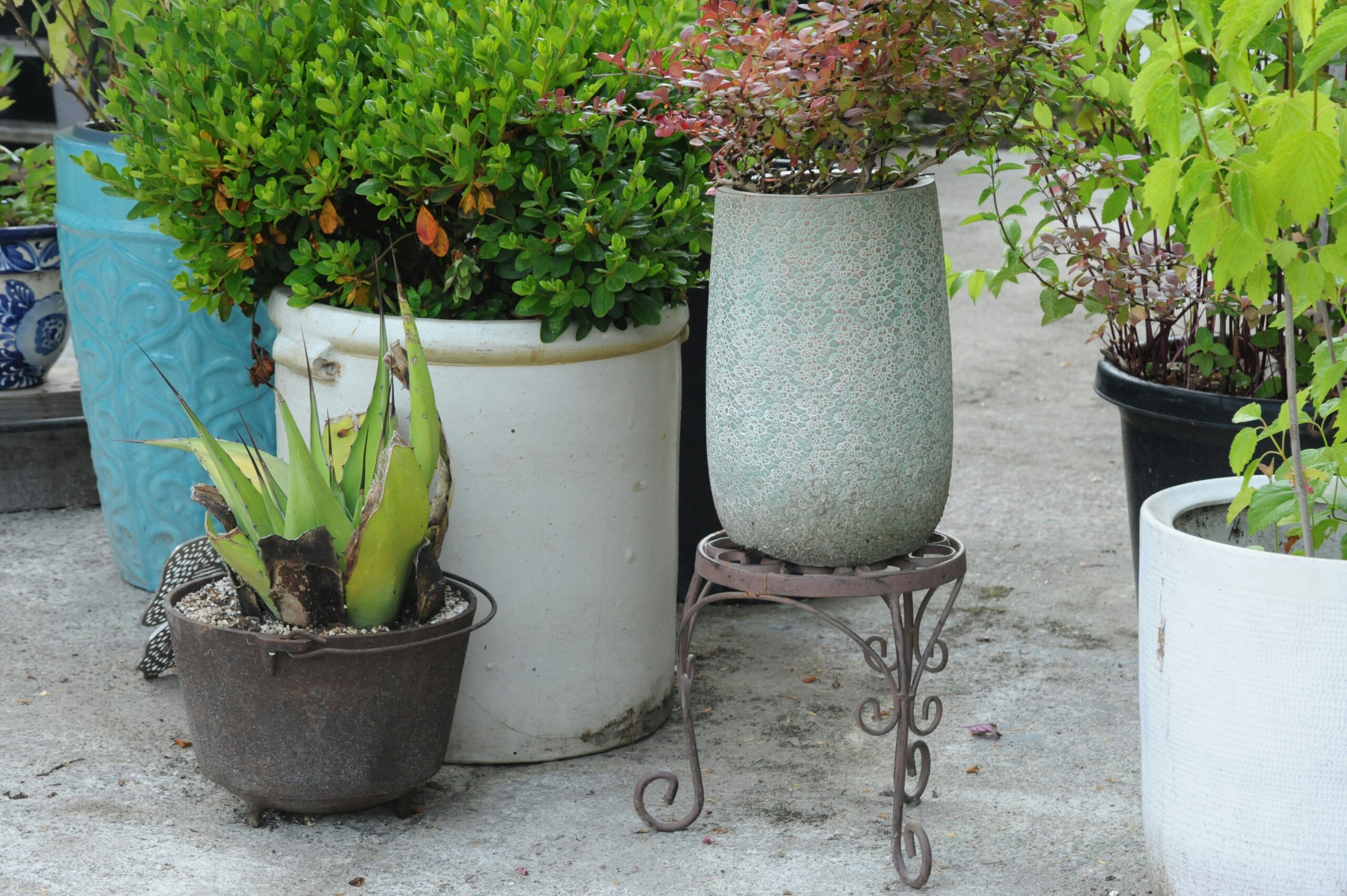
When selecting containers for patio plants, several essential factors should be considered to ensure both aesthetic appeal and plant health. The size of the container plays a crucial role; it should be proportionate to the plant’s growth potential and allow adequate root space. For instance, larger plants require wider, deeper containers, while smaller varieties can thrive in compact pots. Additionally, the material of the container is significant; options include terracotta, plastic, and ceramic, each offering different levels of durability and insulation. Terracotta is porous, allowing for breathability, while plastic containers, being lighter, often resist cracking during colder months.
Equally important is the aspect of drainage. Proper drainage holes are necessary to prevent waterlogging, which can lead to root rot. Consider elevating pots on stands or using pot feet to enhance drainage and airflow. It is wise to incorporate a layer of gravel or small stones at the bottom of containers to facilitate drainage. Furthermore, utilizing high-quality potting mix enriched with organic matter will not only support healthy plant growth but also improve moisture retention during dry spells.
Watering needs vary significantly between different patio plants. It is crucial to establish a consistent watering schedule based on the plant species and environmental conditions. Some plants, such as succulents, require minimal water, while others, like ferns, thrive in consistently moist soil. Seasonal care is paramount; adjust your watering techniques during the summer heat and winter dormancy. Incorporating patio plants with water features, such as ponds or fountains, can enhance the overall design while providing necessary humidity. For further insights on harmonizing plants with water elements, refer to our related article on garden ponds.
By focusing on these vital elements—container selection, drainage, and seasonal watering—one can maintain a vibrant and low-maintenance patio garden that remains attractive throughout the year.
Patio Plants vs. Garden Border Plants: A Comparison
When considering planting options for outdoor spaces, both patio plants and garden border plants offer unique benefits that cater to varying aesthetic preferences and maintenance requirements. Patio plants are typically chosen for their ability to thrive in pots or containers, often transforming small spaces into vibrant green retreats. These plants often require less soil and can be easily relocated, making them ideal for adaptable arrangements throughout the year. Common examples of patio plants include ornamental grasses, succulents, and flowering annuals, which all offer seasonal blooms and can be customized to fit various design themes.
On the other hand, garden border plants are usually selected for their role in creating defined boundaries or edges in larger garden designs. These plants often require more substantial root systems and may have different soil and sunlight needs compared to their container counterparts. Typically characterized by their taller stature or full-spreading habit, garden border plants such as perennials, shrubs, and low-lying ground covers contribute to the layered texture of a garden. They provide more than just a visual appeal; many can improve soil health and attract beneficial wildlife, creating a balanced ecosystem within your outdoor space.
When making a selection between patio and garden border plants, it is essential to consider the specific requirements of each plant type in relation to your outdoor setting. Factors such as sunlight, water availability, and soil type significantly influence plant health and longevity. By evaluating your space and its limitations, you can make informed decisions that not only enhance aesthetics but also streamline maintenance efforts, ensuring a thriving garden or patio area. Understanding these differences will empower you to curate an outdoor environment that reflects your style and lifestyle needs.
Frequently Asked Questions about Patio Plants
Patio plants are an excellent way to enhance outdoor spaces, and many individuals have inquiries regarding their care and maintenance. Below, we address some common concerns related to low-maintenance patio plants.
1. Can low-maintenance patio plants survive winter?
Yes, many low-maintenance patio plants are designed to withstand colder temperatures. However, it is essential to choose varieties that are hardy in your specific climate zone. Some plants may require protection during the harshest winter months, such as being brought indoors or covered with mulch.
2. How often should I water my patio plants?
The watering frequency for low-maintenance patio plants can vary based on the type of plant, the climate, and the potting conditions. Generally, it is advisable to check the soil moisture level before watering; a good rule of thumb is to water only when the top inch of soil feels dry. Many drought-resistant plants require less frequent watering, making them ideal for busy individuals.
3. Can low-maintenance plants thrive in shaded areas?
Certain low-maintenance plants are perfectly suited for shady locations. These include ferns, hostas, and certain varieties of astilbe. It is essential to ensure that the chosen plants are correctly rated for the amount of shade present in their environment, as some may prefer partial sun.
4. Do I need to repot my patio plants regularly?
While low-maintenance patio plants are often less demanding, some may still require repotting every couple of years. Signs that your plant may need repotting include stunted growth or roots growing out of the pot’s drainage holes. When repotting, select a pot slightly larger than the current one and refresh the potting soil to promote healthy growth.
By addressing these frequently asked questions, we hope to enhance your confidence in selecting and caring for low-maintenance patio plants, thus ensuring successful year-round enjoyment of your outdoor space.
Check this out on Companion planting for raised beds